Choosing the right Zinc Oxide Arrester is a practical decision, not a simple product comparison. It affects transformer insulation, distribution equipment, and overall power-system reliability. A suitable arrester must handle temporary overvoltage, lightning impulses, and switching surges without failing prematurely. Small details matter.
The selection process begins with the system’s maximum continuous operating voltage and grounding arrangement. Engineers should also examine rated voltage, discharge current, protective level, energy capability, and housing design. A 10 kA discharge rating may look impressive, but it does not automatically suit every installation. The arrester’s residual voltage must remain below the protected equipment’s insulation withstand level. Otherwise, protection may exist only on paper. IEC 60099-4 requirements, verified test reports, and manufacturer data provide useful technical evidence. Still, documents need careful checking. Marketing language can hide important limitations.
Installation conditions deserve equal attention. A coastal substation may require better pollution resistance than an indoor industrial panel. Altitude, temperature, moisture, vibration, and available space can influence service life. Inspect the earth connection, lead length, and mounting position. Long connecting leads can increase protective voltage during a fast surge. Field experience often reveals this problem after damage occurs. That is too late.
This guide explains how to compare Zinc Oxide Arrester specifications with real operating conditions. It considers application voltage, surge exposure, insulation coordination, construction quality, monitoring options, and maintenance access. Reliable manufacturers should provide traceable test evidence and clear technical support. Independent verification is valuable when the equipment protects expensive transformers or critical lines. The goal is not to choose the largest arrester. It is to choose a properly coordinated device, while recognizing that every site has uncertainties worth reviewing before purchase.
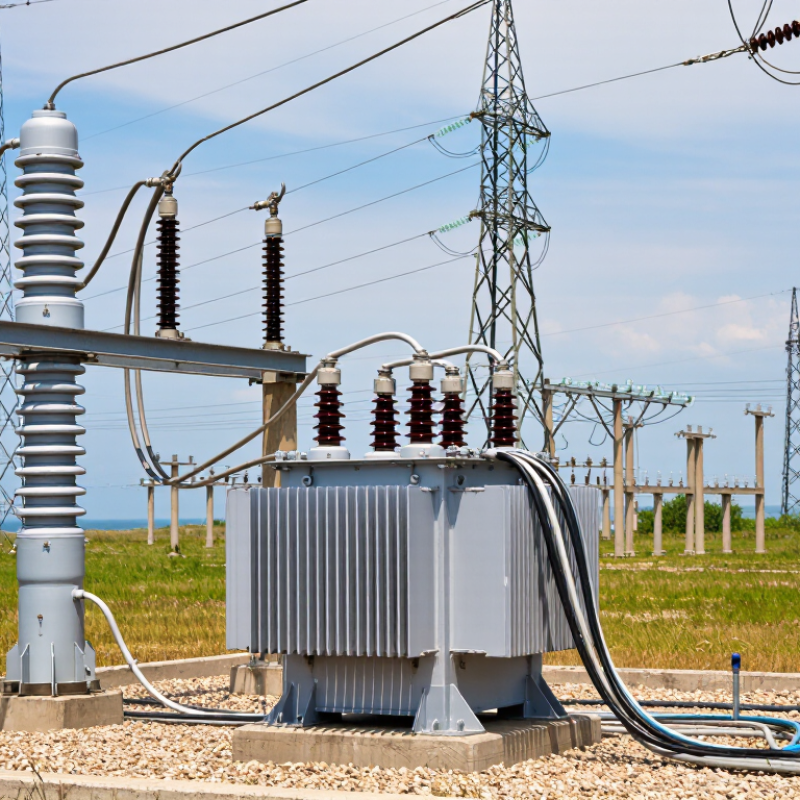
A zinc oxide arrester protects electrical equipment from lightning and switching surges. Its zinc oxide blocks contain microscopic semiconductor boundaries. At normal system voltage, they offer high resistance and allow only a small leakage current. During a surge, resistance drops sharply. The arrester then diverts current to earth and limits the voltage across transformers, cables, or switchgear. When the surge ends, resistance rises again. Fast response matters.
IEC 60099-4:2014 and IEEE C62.11-2020 commonly evaluate arresters with an 8/20 microsecond current waveform. A 10 kA reference discharge current is widely used in testing. CIGRE Technical Brochure 544 also highlights leakage-current monitoring and thermal stability as important maintenance factors. These figures are useful, but they are not the whole decision. Continuous operating voltage, temporary overvoltage, discharge energy, altitude, and pollution can change real performance. A neat datasheet can still mislead.
Tips: Match the arrester’s MCOV to the actual system voltage, not just its nominal label. Check the grounding arrangement and lead length. Shorter leads usually reduce added inductive voltage. Inspect leakage trends over time, because one reading may hide gradual ageing. Field conditions are imperfect, and selection should be reviewed by a qualified electrical engineer.

Choosing the right zinc oxide arrester begins with the system voltage, not the equipment label. Confirm the highest continuous line-to-ground voltage, temporary overvoltage duration, and network frequency. For a grounded three-phase system, the phase-to-earth value is often close to the line voltage divided by √3. Do not treat that calculation as final. Fault conditions can raise it sharply.
Grounding changes the arrester’s duty. Effectively grounded networks usually experience lower temporary overvoltages than resistance-grounded or isolated systems. IEEE Std C62.11-2020 and IEC 60099-4 require arrester ratings to reflect continuous operating voltage, energy capability, and protective performance. CIGRE Technical Brochure 549 also emphasizes coordinating arrester characteristics with network grounding and switching events. A conservative selection may prevent thermal stress, but excessive rating can reduce protection for sensitive insulation.
Insulation coordination must connect the arrester residual voltage with the equipment’s impulse withstand level. Check transformer bushings, cable terminations, switchgear, and line entrances separately. Installation lead length matters. A few extra metres can add inductive voltage during a steep surge. Keep connections short and direct. Field inspections often reveal a practical weakness: the arrester rating was correct, but grounding conductors were undersized or poorly bonded. That mistake is easy to miss. Review lightning data, switching history, and measured earth resistance before approval. The design may still need revision.
How to Choose the Right Zinc Oxide Arrester?
Choosing a zinc oxide arrester starts with its continuous operating voltage, or MCOV. This value must suit the system’s highest normal voltage, not only its nominal rating. Check temporary overvoltage conditions caused by ground faults or switching events. A rating that looks adequate on paper may age quickly in service. It happens.
Compare discharge current next. A 10 kA class arrester may handle common surge tests, but current rating alone does not show total endurance. Review the energy capability in kilojoules per kilovolt. This indicates how much repeated surge energy the arrester can absorb without thermal failure. Areas with long overhead lines, frequent lightning, or capacitor switching usually demand greater energy capacity. Ask for verified test data.
Protective performance depends on residual voltage at the expected discharge current. Lower residual voltage generally protects insulation better, but coordination must include transformer impulse levels, cable length, and grounding resistance. A short connection path matters. Long leads can add inductive voltage during a fast surge. Compare the arrester’s protection level with the equipment insulation level, leaving a practical safety margin. Do not select by catalog figures alone. Installation height, pollution, moisture, and enclosure ventilation can change real performance. Field measurements and maintenance records often reveal assumptions that design calculations miss. One decision may still need review after the first storm season.
Compare arrester ratings, energy capacity, and protective performance using representative IEC application levels. Higher energy capability supports more severe surge duty, while a lower residual voltage generally provides better insulation protection. Actual values depend on MCOV, system voltage, construction, and test conditions.
Representative engineering values only; they are not manufacturer or brand data. Confirm final selection against the applicable IEC 60099-4 requirements and the arrester datasheet.
Choosing the right zinc oxide arrester starts with the installation, not the product catalogue.
The system’s maximum continuous operating voltage must match the arrester’s MCOV rating. A small mismatch can create unnecessary leakage current and thermal stress. Check the temporary overvoltage profile, too. Faults, load rejection, and grounding changes may raise voltage for several seconds.
Physical conditions matter just as much. In a coastal substation, salt deposits can form a conductive film on the housing. Industrial dust may behave similarly after rain.
Select suitable creepage distance and enclosure protection for pollution, humidity, altitude, and temperature. Indoor equipment still needs attention.
Condensation near cable entries is often overlooked. It should not be.
The arrester’s discharge-current capability must suit the expected lightning and switching environment. Review the installation class, line exposure, and earthing resistance before choosing a nominal discharge current.
Keep connecting leads short and straight; long bends increase residual voltage during a surge. Mount the arrester close to the protected transformer or cable termination. Coordination also requires checking insulation withstand levels, not only arrester voltage ratings.
A field checklist helps, but it is not infallible. Actual soil conditions may differ from design data.
Recheck grounding measurements during commissioning and after major changes. Use test records, thermal inspections, and applicable requirements such as IEC 60099-4 when verifying performance.
The most expensive mistake is often a reasonable-looking assumption left untested.
Choosing a zinc oxide arrester starts with verified standards, not a low purchase price. IEC 60099-4:2014 evaluates residual voltage, thermal stability, and repetitive charge transfer. IEEE C62.11-2020 specifies 8/20 microsecond discharge-current testing. These figures reveal whether an arrester can manage repeated surges. Ask for type-test reports, routine-test records, and stated energy ratings. A certificate without test conditions is weak evidence.
Maintenance planning matters equally. CIGRE Technical Brochure 544 identifies moisture ingress, housing contamination, and thermal instability as important failure mechanisms. Inspect polymer housings for cracks, tracking, and chalking. Check earth connections after storms. Record leakage-current trends, ambient temperature, and surge events. Sudden changes deserve investigation, even when the arrester still appears clean. Keep installation photographs and test dates together. Small details help.
Long-term reliability depends on system matching. Confirm the continuous operating voltage, temporary overvoltage capability, pollution level, and short-circuit duty. IEC 60099-5:2018 describes diagnostic approaches, including leakage-current assessment and infrared inspection. Use these methods within a documented maintenance interval. Field experience teaches caution. A perfect factory report cannot predict every site condition. I would also question unusually optimistic service-life claims. Real aging is uneven. Nearby cable lengths, grounding quality, and switching frequency can change the result. Review the data annually, and replace unclear records before replacing equipment.
Logel’s Auto Parts
116 Bridge St East
Kitchener, Ontario
N2K 1J6
Phone: 519-745-4751
Toll Free: 1-800-818-9118
Hours 8:00-5:00 Monday to Friday
At Logel’s Auto Parts, we serve a range of communities in Southern Ontario, including:
Sign up today for the latest updates from the Logel’s Auto Parts team, including pricing for scrap vehicles, our newest product lines, current operating hours, and much more.