How to Choose the Right Filter Cartridge for Your Needs?

Choosing the right Filter cartridge is essential for optimal filtration. With many options available, it can be overwhelming. The filter cartridge you select impacts water quality and efficiency.

Many factors determine the best cartridge for your needs. Understanding the contaminants in your water is crucial. You may prefer a cartridge that targets specific impurities. Additionally, consider the type of system you have. Not all cartridges fit every model.

Evaluate your water usage and replacement frequency. Some cartridges need frequent changes, while others last longer. Reliability is key when filtering your water. An unsuitable choice can lead to dissatisfaction. Take the time to research and reflect on your options. Choosing wisely will enhance your water experience.
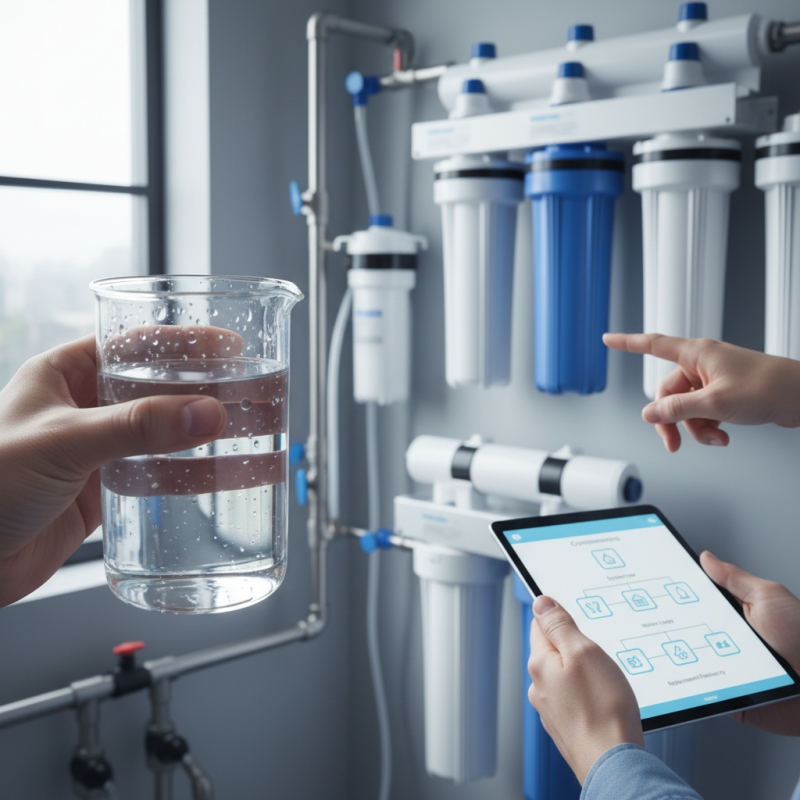
How to Choose the Right Filter Cartridge for Your Needs?

Understanding the Various Types of Filter Cartridges in the Market

Selecting the right filter cartridge involves understanding the various types available. The market presents numerous options tailored for specific needs. The basic types include sediment, activated carbon, and reverse osmosis cartridges. Each type serves unique purposes, ensuring effective filtration.

Sediment cartridges are designed to eliminate larger particles from water. They can filter out dirt, sand, and rust. Reports show that sediment filters can improve overall water quality significantly. On the other hand, activated carbon cartridges target chlorine, odors, and organic compounds effectively. They are popular due to their ability to enhance taste and smell.

Reverse osmosis cartridges provide advanced filtration. They remove up to 99% of contaminants, including heavy metals and minerals. Data indicates that reverse osmosis systems effectively reduce contaminants like lead by about 96%. However, they can waste significant amounts of water during the filtration process.

Choosing the right filter cartridge requires careful consideration. Different water sources and usage scenarios will dictate the best option. A mismatch can lead to inadequate filtration. Understanding these variations is crucial for maintaining healthy water practices.


Evaluating Your Water Quality Needs: Key Parameters to Consider

Understanding your water quality needs is essential when selecting a filter cartridge. Different households have varying water sources and contaminants. Testing your water is a great starting point. Look for parameters like pH, chlorine levels, and sediment presence. Each parameter reveals unique insights into the water you consume.

Chlorine, for instance, can affect taste and odor. High levels may require specific filtration. Sediment can cloud your water, impacting clarity and quality. Understanding these factors can help refine your options. However, keep in mind that not all filters address all contaminants.

Reflecting on your lifestyle is also crucial. Do you use water for cooking, drinking, or bathing? Each use may need different filtration. It’s worth considering your daily intake and the reliability of your existing filtration system. Sometimes, people overlook the maintenance of filters. Without regular checks, effectiveness may decline.

Comparing Filter Cartridge Materials: Pros and Cons

When choosing a filter cartridge, understanding the material is vital. Each material has unique advantages and disadvantages. Common options include activated carbon, ceramics, and polypropylene. Activated carbon excels in removing chlorine and impurities from water. It provides great taste and odor reduction. However, it may require frequent replacement due to its limited lifespan.

Ceramic filter cartridges are robust and can trap bacteria effectively. They are reusable after cleaning, which adds to their longevity. But, they may alter water pressure and flow rate, which can be a drawback for some. Polypropylene cartridges are affordable and offer good sediment filtration, but they generally do not remove chemical contaminants as effectively.

Selecting the right material necessitates reflecting on personal needs. An activated carbon filter may be suitable for taste, while ceramic could be essential for purifying drinking water. Balancing performance with cost is necessary. Each material presents trade-offs. Understanding these can help in making an informed decision that meets your specific filtration needs.

Determining Flow Rate Requirements for Effective Filtration

Choosing the right filter cartridge involves understanding your flow rate needs. Flow rate is crucial for effective filtration. It measures how quickly water moves through the filter. A higher flow rate means faster filtration, but can lead to reduced effectiveness if the filter is not designed for it.

Start by assessing your system's requirements. For taps and smaller systems, a lower flow rate might suffice. In contrast, larger systems, like whole-house filters, demand higher rates. If you underestimate flow needs, you may face poor filtration results. Conversely, overestimating can strain your system. It's a delicate balance that requires careful thought.

Consider factors like water usage patterns. Heavy usage areas may need higher flow rates. Talk to experts or consult resources to get accurate estimates. Remember, even slight errors in calculating flow can lead to significant filtration issues. Stay informed and revise your choices as needs evolve.

Calculating Replacement Frequency: Industry Standards and Recommendations

When calculating the replacement frequency for filter cartridges, it's essential to understand the industry standards. Many guidelines suggest replacing cartridges every three to six months. However, this can vary based on factors such as water quality and usage patterns. High sediment levels can lead to more frequent changes. Monitoring your water clarity can help gauge when it’s time for a replacement.

It is also important to consider the type of filter cartridge you use. Different cartridges handle varying impurities and have different lifespans. For instance, a carbon block filter may require replacement sooner than a ceramic filter. Observing flow rate can also give insight; if water flows more slowly, it may be time to replace the cartridge.

Don’t ignore the signs of reduced performance. It’s easy to forget a schedule or assume filters last indefinitely. Keeping track of usage can prevent potential issues. If you notice changes, trust your instincts. There’s merit in regularly checking your cartridge against recommended timelines. This practice can ensure optimal performance and reliability.

Start typing and press Enter to search