What Is EVA Deck Flooring and How Do You Choose It? The question matters when wet feet, intense sunlight, and constant movement meet a boat’s deck. Eva Deck Flooring usually means closed-cell ethylene-vinyl acetate foam sheets or molded pads. It provides cushioning, traction, thermal insulation, and a quieter walking surface. Unlike carpet, it does not absorb water easily. However, it still needs cleaning and careful installation.
The National Marine Manufacturers Association reported approximately 11.6 million registered recreational boats in the United States in its 2023 U.S. Recreational Boating Statistical Abstract. That large installed base reflects a practical demand for durable, comfortable deck materials. Grand View Research also identifies EVA foam as a major material category across marine and transport applications. These reports provide useful market context, not a guarantee for every product.
A suitable deck system begins with the boat’s actual conditions. Measure each panel, including curves, hatches, and drainage channels. Then compare foam thickness, surface texture, density, color stability, adhesive quality, and resistance to fuel or saltwater exposure. A dark pad may feel hot under midday sun. A deeply grooved pad may improve grip but trap sand and fish scales. Small details matter.
No material is perfect. Foam can compress, stain, peel, or fade when preparation is poor. Boat owners should request technical data sheets, installation guidance, and realistic warranty terms. Check compatibility with fiberglass, aluminum, painted surfaces, and existing coatings. A thoughtful choice balances comfort, maintenance, appearance, and replacement cost rather than chasing the lowest price.
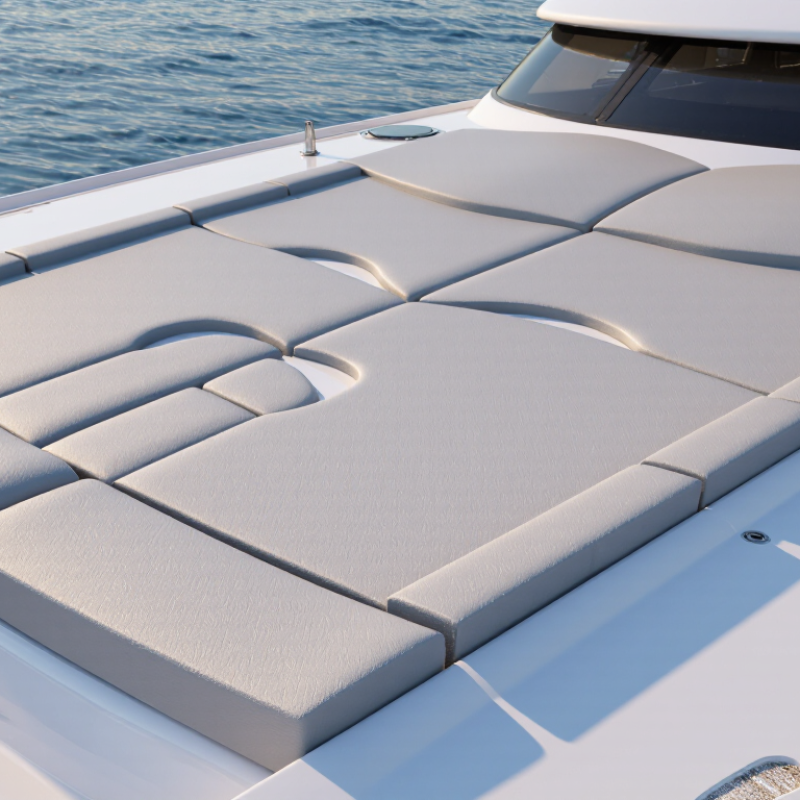
EVA deck flooring is a lightweight foam surface installed over boat decks, swim platforms, and other marine areas. EVA means ethylene-vinyl acetate, a closed-cell foam that resists water absorption. Its textured surface helps shoes grip when the deck is wet. It also softens footsteps and reduces heat from sun-baked surfaces.
The material works through a combination of traction, cushioning, and insulation. Small foam cells compress under pressure, making standing more comfortable during long trips. The patterned top layer creates channels that can improve drainage, although it cannot remove standing water by itself. Deck preparation matters greatly. Dust, wax, oil, and loose paint can weaken the adhesive bond.
Thickness and density affect comfort and durability. Thicker sheets feel softer, but they may show dents more easily under heavy equipment. A firmer option can suit fishing areas, storage zones, or frequent foot traffic. Check the flooring’s resistance to ultraviolet exposure, saltwater, fuel splashes, and cleaning chemicals before choosing it. Dark colors may become hot in direct sunlight, while light colors can reveal stains faster.
Measure curved sections carefully and test a small area before full installation. This step is easy to skip. That assumption can fail. Uneven surfaces may telegraph through the foam, creating visible ridges and early wear.
Regular rinsing with fresh water, mild soap, and a soft brush usually removes sand and salt without damaging the texture. Inspect edges occasionally, because lifting corners often reveal moisture or poor surface preparation.

EVA deck flooring is a closed-cell foam surface used on boats, docks, and outdoor platforms. EVA means ethylene-vinyl acetate, a lightweight material with a soft, slightly springy feel. Under wet feet, its textured surface can improve traction and reduce slipping. It also cushions knees, dropped tools, and bare feet against hard fiberglass or metal.
Material density matters. A denser sheet usually resists dents better, while softer foam feels more comfortable during long hours on deck. Choose a surface with reliable adhesive backing and check its temperature range before installation. Strong sunlight can expose weak materials quickly. In my experience, accurate measuring matters as much as foam quality. Small gaps collect sand and water. EVA also reduces glare and noise, but it is not indestructible. Sharp hooks, heavy furniture, and poor cleaning habits can damage the surface. That limitation deserves attention.
Tips: Measure twice, then create a paper template. Clean and dry the deck completely before applying the flooring. Press the foam firmly, especially around edges and corners. Select a color that shows less dirt, but inspect samples in direct sunlight first. Darker surfaces may become hot under intense sun. A patterned texture can hide marks, though deep grooves may hold fine sand. Check the warranty terms and installation instructions carefully. A rushed installation can ruin good material.
EVA deck flooring is a closed-cell foam surface designed for comfort, traction, and water resistance. Compared with painted fiberglass, it feels warmer under bare feet and softens dropped gear. Unlike teak, EVA needs no sanding, oiling, or seasonal sealing. However, it can compress under heavy furniture and may show dirt in textured grooves.
Cost and service life require closer attention. The U.S. Department of Agriculture’s Forest Products Laboratory reports that wood dimensions change with moisture, which explains why timber decks need regular maintenance. EVA avoids much of that movement, but sunlight can still affect color and surface temperature. Grand View Research’s 2024 analysis places the global EVA foam market on a strong growth path, with construction and marine uses among the expanding applications. Market growth is useful evidence, not proof of quality. Some low-density foam feels soft at installation but wears faster in busy walkways.
Tips: Request density, thickness, UV-resistance, and slip-test details before buying. ASTM D2047 offers a recognized method for evaluating dry slip resistance, although marine conditions are wetter and more complex. Test a sample with wet shoes. Also inspect the adhesive system, edge finish, and cleaning instructions. A darker pattern may hide stains, but it can become noticeably hotter in direct sun. I would not choose EVA solely by appearance; drainage, foot traffic, and replacement access matter more.
EVA deck flooring is a closed-cell foam material valued for its low weight, cushioning, water resistance, and comfortable underfoot feel. This chart compares representative material densities, showing why EVA is typically much lighter than solid PVC, teak, fiberglass laminate, and aluminum. Actual density varies with product formulation, thickness, reinforcement, and construction method.
What Is EVA Deck Flooring and How Do You Choose It?
EVA deck flooring is a closed-cell foam surface designed to add comfort, traction, and protection on boat decks. It feels softer than bare fiberglass or aluminum. It also reduces glare and foot fatigue during long trips. NMMA’s 2024 Recreational Boating Statistical Abstract recorded 11.6 million registered recreational boats in the United States in 2023. That large user base makes practical deck selection important, not merely decorative.
Start with the boat’s actual conditions. Measure the deck carefully, including hatches, hinges, drains, and curved edges. Choose a thickness that cushions footsteps without blocking access panels. Thicker foam can feel comfortable, but it may catch hardware or peel at exposed edges. Check the material’s closed-cell structure, UV resistance, water absorption, and temperature performance. Ask for test data, not vague claims. Texture matters too. A deep groove may improve wet traction, while shallow patterns collect less sand.
Color deserves practical attention. Dark surfaces can become uncomfortable under direct sun, while light surfaces may show oil, dust, and footprints quickly. Request a sample and test it with wet footwear. Bend it around a corner. Leave it in sunlight for several days. My first instinct is often to choose the best-looking pattern, but appearance can hide poor adhesion. Installation quality matters as much as foam quality. The deck must be clean, dry, and free from wax or silicone. Small mistakes here become expensive later.
EVA deck flooring is a soft, closed-cell foam surface used on boats, docks, and other wet areas. In my experience, accurate preparation matters more than the flooring itself. Remove wax, dust, and grease before installation. The surface must be dry and smooth. Even a small ridge can remain visible under the foam. Measure around hatches, rails, and corners, then create a paper template before cutting. Use a sharp blade and avoid stretching the material.
Tips: Test a small section first. Mark each panel clearly. Leave clean gaps around removable hardware. Press the flooring firmly, especially along edges, and allow the adhesive to cure according to its instructions. Rushing this stage can cause lifting. I have found that shaded installation is easier because hot foam becomes softer and less predictable.
Routine cleaning should use fresh water, mild soap, and a soft brush. Rinse away salt, sand, and oily residue after use. Avoid harsh solvents, stiff wire brushes, and excessive pressure, which may damage the texture. Inspect seams and corners every few weeks. If an edge starts peeling, repair it early after cleaning and drying the area completely. Replacement becomes necessary when the foam stays compressed, tears deeply, or loses its grip. Removing old adhesive can be the hardest part. Work slowly and check the deck underneath for corrosion, cracks, or trapped moisture before installing new panels.
| Category | Selection or Maintenance Criterion | Practical Information | Recommended Considerations |
|---|---|---|---|
| Material | EVA foam construction | EVA, or ethylene-vinyl acetate, is a closed-cell foam commonly used for marine deck pads. It is lightweight, flexible, water-resistant, and comfortable underfoot. | Choose a pad designed specifically for marine or outdoor use rather than a general indoor foam product. |
| Comfort | Cushioning and fatigue reduction | EVA flooring provides a softer walking surface than fiberglass, painted metal, or bare aluminum. It can help reduce foot fatigue during extended periods of standing. | Consider thicker foam for helm areas, casting platforms, work zones, and other locations where people stand for long periods. |
| Thickness | Typical pad thickness | Common EVA deck pads are approximately 5–10 mm thick. Thinner sheets offer a lower-profile appearance, while thicker sheets generally provide more cushioning. | Confirm hatch clearance, door movement, hardware height, and drainage paths before selecting a thicker pad. |
| Surface | Texture and slip resistance | Textured, brushed, grooved, or embossed surfaces can improve traction and help conceal light dirt. Performance may vary when the surface is wet, oily, or contaminated. | Select a texture that balances grip, comfort, cleanability, and the type of footwear normally used on the deck. |
| Color | Heat and appearance | Dark colors generally absorb more solar heat and may feel hotter under direct sunlight. Light colors can stay cooler but may show dirt, stains, and discoloration more easily. | Use lighter colors in high-sun areas and consider contrasting layers or borders for improved visibility and design definition. |
| Fit | Custom-cut versus sheet material | Custom-cut pieces can match deck contours, hatches, lockers, and hardware. Sheet material may reduce initial cost but requires accurate measuring and careful cutting. | Make a full-size template when the deck has curves, angles, drains, inspection ports, or removable fittings. |
| Adhesive | Surface compatibility | Installation normally requires a pressure-sensitive marine-grade adhesive or an adhesive system approved for both the EVA pad and the deck substrate. | Follow the adhesive manufacturer’s temperature, humidity, open-time, and curing requirements. Test compatibility on a small area first. |
| Installation | Deck preparation | The substrate should be structurally sound, dry, clean, smooth, and free from wax, grease, dust, loose coating, and surface contamination. | Repair cracks, remove loose coatings, and allow newly applied paint or coatings to cure fully before installing the flooring. |
| Installation | Positioning and bonding | Dry-fit every piece before removing the release liner. Align edges carefully, avoid stretching the foam, and apply firm, even pressure after placement. | Work gradually from one edge to the other to reduce trapped air, wrinkles, and misalignment. |
| Installation | Working conditions | Adhesive bonding is affected by temperature, moisture, condensation, and surface cleanliness. Cold or damp conditions can reduce adhesion and extend curing time. | Install in a clean, dry, sheltered environment within the temperature range specified for the adhesive system. |
| Cleaning | Routine cleaning method | Remove loose debris first, then wash the surface with fresh water and a mild, non-abrasive soap. Use a soft or medium-soft brush for textured areas. | Rinse thoroughly so soap residue does not attract dirt or leave a slippery film. |
| Cleaning | Stains and embedded dirt | Address fish residue, food, sunscreen, oil, and other contaminants as soon as possible. Gentle repeated cleaning is safer than aggressive scrubbing. | Test any cleaner on an inconspicuous area and avoid products that soften, bleach, swell, or discolor the foam. |
| Cleaning | Chemicals to avoid | Strong solvents, fuel, paint thinner, acetone, harsh acids, abrasive powders, and highly concentrated bleach can damage the foam, adhesive, texture, or color. | Clean spills promptly and consult the flooring and cleaning-product instructions before using a specialized chemical. |
| Maintenance | Inspection frequency | Inspect the flooring periodically and after heavy use, especially around edges, seams, corners, hatches, high-traffic areas, and frequently wet locations. | Early attention to lifting edges or damaged seams can prevent water, dirt, and additional adhesive failure beneath the pad. |
| Maintenance | UV and heat exposure | Prolonged sunlight can contribute to fading, surface aging, and loss of appearance. Heat can also increase expansion or make adhesive-related problems more noticeable. | Keep the deck clean, provide shade when practical, and avoid storing heat-producing equipment directly on the flooring. |
| Maintenance | Mechanical damage | Dragging sharp equipment, dropping heavy objects, or placing concentrated loads on small areas can cut, dent, compress, or tear EVA foam. | Use protective mats under stands and equipment, and lift rather than drag items across the deck. |
| Replacement | When replacement is appropriate | Replacement is generally warranted when the pad has widespread peeling, permanent compression, major tears, severe fading, difficult-to-remove contamination, or reduced traction. | Replace individual sections when damage is localized and matching material, color, thickness, and texture are available. |
| Replacement | Removal process | Existing foam is usually removed by lifting an edge and pulling slowly. Remaining adhesive may require controlled scraping and a substrate-safe adhesive remover. | Avoid gouging fiberglass, painted surfaces, wood, or aluminum. Ventilate the work area and follow solvent safety instructions. |
| Replacement | Substrate inspection | After removal, inspect for corrosion, rot, cracks, delamination, moisture, uneven coatings, and adhesive residue before installing new flooring. | Correct substrate problems first; a new pad will not reliably compensate for structural damage or poor surface preparation. |
| Cost Planning | Total project factors | Total cost depends on material thickness, surface finish, pattern complexity, templates, cutting, adhesive, substrate repairs, installation labor, and removal of old flooring. | Compare complete project estimates rather than material prices alone, particularly when the deck contains many hatches or curved sections. |
| Safety | Deck function and drainage | Flooring should not obstruct drains, bilge access, latches, removable panels, ventilation openings, or safety equipment. Raised edges may create trip points. | Verify access and drainage after installation, and use clean edge finishing around openings and transitions. |
Logel’s Auto Parts
116 Bridge St East
Kitchener, Ontario
N2K 1J6
Phone: 519-745-4751
Toll Free: 1-800-818-9118
Hours 8:00-5:00 Monday to Friday
At Logel’s Auto Parts, we serve a range of communities in Southern Ontario, including:
Sign up today for the latest updates from the Logel’s Auto Parts team, including pricing for scrap vehicles, our newest product lines, current operating hours, and much more.