In the rapidly evolving automotive industry, the importance of selecting the right car lights cannot be overstated. As vehicles become more sophisticated, so too do their lighting systems, which play a critical role in ensuring driver safety and enhancing overall vehicle aesthetics. According to a recent report by the Automotive Lighting Association, over 80% of vehicle accidents occur during nighttime or in low-visibility conditions, underscoring the necessity for high-quality car lights.
Expert insights into the car lights sector reveal a consensus on the impact of advanced lighting technologies. Dr. Ethan L. Carson, a leading expert in automotive lighting systems, emphasizes, “The right car lights not only improve visibility but also enhance the structural integrity of a vehicle’s design.” As consumers prepare to make informed choices for their vehicles in 2025, understanding the blend of budgetary constraints and the latest lighting innovations is essential. With a plethora of options available, from LED to xenon lights, drivers must navigate this complex landscape to ensure safety, efficiency, and style on the road.
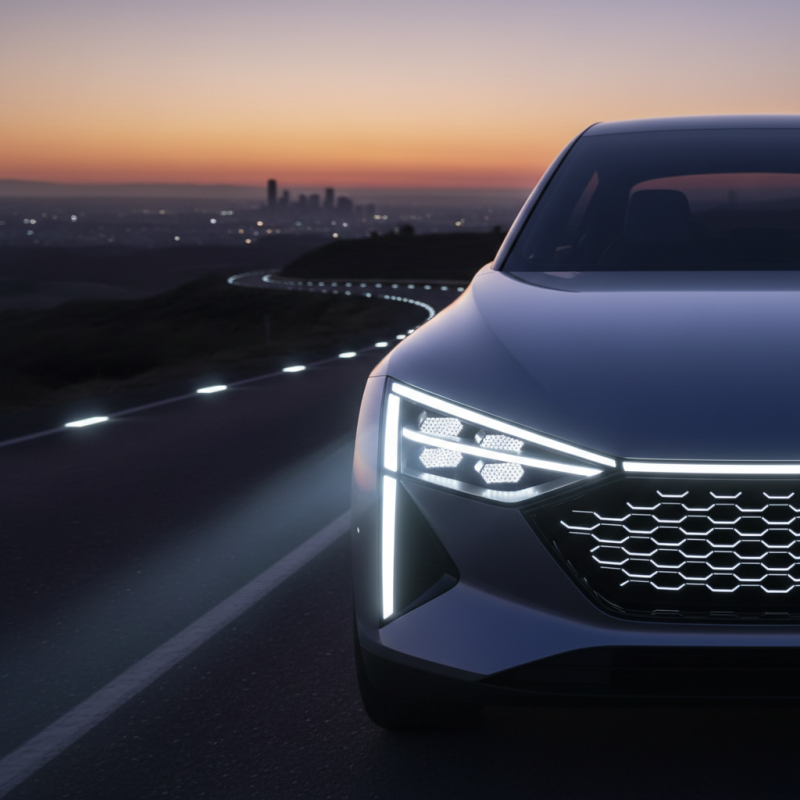
When it comes to illuminating the road ahead, understanding the different types of car lights is essential for making an informed choice. Car lights can be broadly categorized into three main types: headlights, tail lights, and auxiliary lights. Headlights are crucial for visibility during nighttime driving or inclement weather; they come in various designs such as halogen, LED, and HID, each offering unique benefits in terms of brightness and energy efficiency.
Tail lights play a vital role in communicating your vehicle's intentions to others on the road. They typically include brake lights, which activate when accessing the brake pedal, and turn signals that indicate a change in direction. Additionally, auxiliary lights, such as fog lights and daylight running lights, enhance visibility in specific driving conditions and increase overall safety. By understanding these different types of lights and their functions, car owners can better navigate their options and choose the best lighting solutions that fit their vehicle and budget.
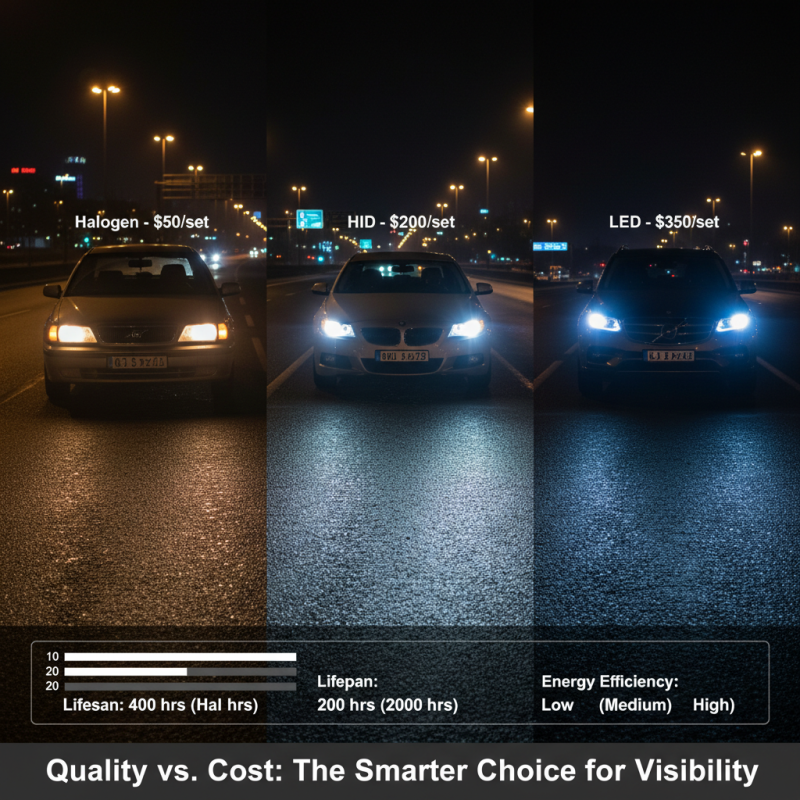
When choosing car lights, several factors must be considered to ensure optimal performance and safety. First, the type of lighting technology matters. According to a recent industry report by Grand View Research, LED headlights dominate the market, projected to reach $10 billion by 2027, thanks to their longevity and energy efficiency compared to traditional halogen bulbs. This not only translates to lower energy consumption by up to 75% but also offers better illumination, enhancing night visibility and reducing the risk of accidents.
Another crucial factor is brightness, measured in lumens, which is essential for clear visibility during nighttime driving or adverse weather conditions. The Society of Automotive Engineers suggests that a minimum of 1,500 lumens should be the standard for aftermarket headlight upgrades. Additionally, you should consider the color temperature, typically measured in Kelvin (K). A color temperature between 4000K and 6000K is ideal as it closely resembles daylight, enhancing clarity without causing glare for oncoming drivers. Balancing quality, durability, and budget is essential in selecting the right car lights that meet both safety standards and personal preference.
When budgeting for car lights, it is essential to find the right balance between quality and cost. According to a recent report by the Automotive Lighting Association, nearly 60% of drivers consider illumination quality as a priority when upgrading their vehicle lights. Investing in higher-quality lights, such as LED or HID systems, can significantly enhance visibility and safety. While these options may have a higher initial cost—averaging between $150 to $300 per set—they typically provide a longer lifespan and improved energy efficiency, leading to potential savings in replacement costs over time.
Furthermore, understanding the market can help you make informed decisions. A study by the National Highway Traffic Safety Administration found that over 30% of night-time accidents were due to inadequate lighting. This statistic underscores the importance of investing in reliable lighting solutions. By allocating your budget effectively, you can prioritize essential upgrades while still considering aftermarket options that provide both value and performance. Shopping during sales events or looking for bundles can also help in optimizing your budget without sacrificing quality.
When choosing car lights, one major consideration is whether to install them yourself or seek professional assistance. DIY installation can be an enticing option for car enthusiasts who enjoy hands-on projects. It often offers cost savings and a sense of accomplishment, allowing you to customize your vehicle according to your personal preferences. However, it requires a good understanding of car wiring and lighting systems, as improper installation can lead to functionality issues or safety hazards.
Tips for DIY Installation: Start by thoroughly reading the instruction manual that comes with your lights. Make sure you have all the necessary tools at hand, including wire cutters, connectors, and a reliable power source. Additionally, consider watching tutorial videos online for step-by-step guidance tailored to your vehicle model.
On the other hand, professional assistance ensures that the installation is executed correctly and efficiently. Technicians have the experience and expertise to address any challenges quickly, which can save you time and avoid potential mistakes. It's particularly recommended for complex lighting systems that integrate with advanced vehicle features.
Tips for Choosing Professional Help: Look for reputable auto shops with positive customer reviews, and don't hesitate to ask about their experience with specific car lights. Always obtain a quote beforehand to ensure it fits within your budget, and inquire about warranties or guarantees on their installation work.
When it comes to selecting car lights, evaluating brand reputation is key to ensuring you make a wise investment. Established brands often have a proven track record of quality and durability, which can significantly reduce the likelihood of you encountering issues shortly after installation. Research the manufacturers behind the products you're considering by checking how long they’ve been in business and their standing in the automotive community. Brands with a long history are typically more reliable, offering warranties and customer support that newer companies may lack.
In addition to brand reputation, product reviews play an essential role in decision-making. Reading through customer feedback can provide insights into the actual performance and longevity of the lights you are interested in. Look for patterns in reviews—such as frequent mentions of brightness, ease of installation, and durability—these elements can help you gauge whether a particular product will meet your needs. Moreover, consider checking reputable automotive forums and websites, where experienced users often share detailed experiences, helping you make an informed choice that fits both your vehicle specifications and your budget.
Logel’s Auto Parts
116 Bridge St East
Kitchener, Ontario
N2K 1J6
Phone: 519-745-4751
Toll Free: 1-800-818-9118
Hours 8:00-5:00 Monday to Friday
At Logel’s Auto Parts, we serve a range of communities in Southern Ontario, including:
Sign up today for the latest updates from the Logel’s Auto Parts team, including pricing for scrap vehicles, our newest product lines, current operating hours, and much more.