Choosing the right Modular Water Storage Tank can be challenging. Many factors come into play, such as capacity, materials, and installation options. Renowned industry expert Dr. Emily Carter emphasizes, "The right tank can significantly enhance water conservation efforts." This insight highlights the importance of making informed choices.
The evolving landscape of water storage solutions presents numerous options. A Modular Water Storage Tank is flexible and ideal for various applications, from agricultural use to urban infrastructure. Potential users must consider their specific needs and the tank's features. Each dimension and design element matters.
Consider local climate and water quality when selecting a tank. While one option may work well in one region, it might not be suitable elsewhere. It's essential to reflect on these factors to avoid costly mistakes. A well-chosen Modular Water Storage Tank improves efficiency and ensures reliability in times of need.
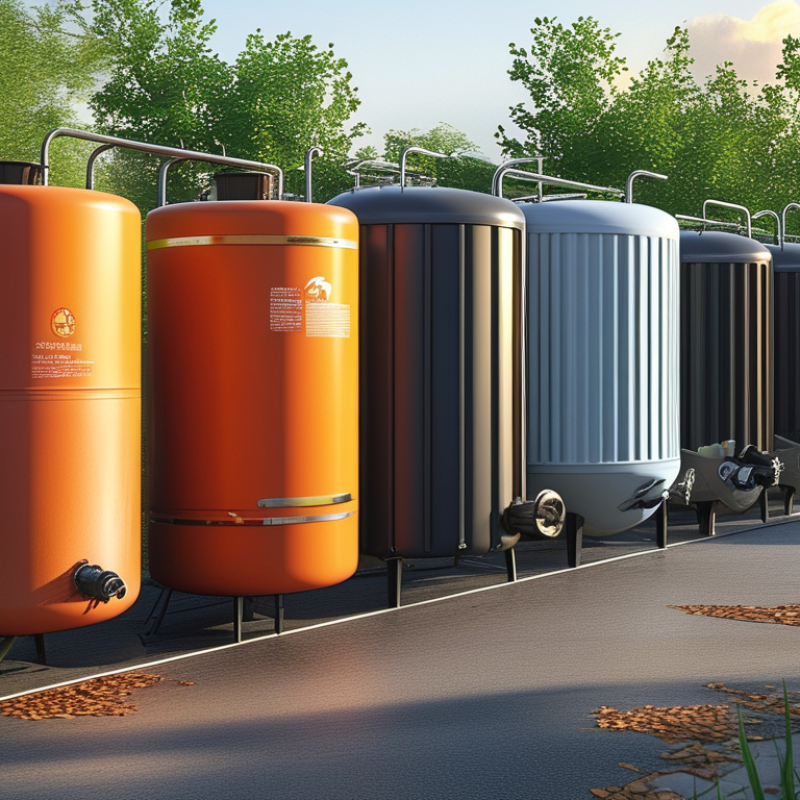
When selecting a modular water storage tank, it's essential to understand the various types available. Modular tanks come in different materials, sizes, and designs. Each type serves unique purposes. For instance, polyethylene tanks are lightweight and versatile. They are perfect for residential and agricultural use. On the other hand, concrete tanks offer durability and strength. They suit industrial applications better.
An often overlooked aspect is the capacity of the tank. Modular tanks can be customized and expanded. This allows for flexibility in meeting water storage needs. However, this can also lead to overestimating requirements. Potential users should carefully assess their demand before making a decision. Ignoring this could lead to insufficient or excess storage.
Maintenance is another critical factor. Some tanks require minimal upkeep, while others need regular inspections. Consider how much time and resources you can commit. This choice affects long-term costs. Additionally, the local climate can influence the choice of material. Intense heat or cold may degrade certain tanks faster. Understanding these factors helps in making an informed decision.

When selecting a modular water storage tank, understanding your specific water storage needs is crucial. Start by evaluating the volume of water you require daily. Consider factors like household consumption, irrigation needs, or industrial applications. Different scenarios demand various tank capacities, making this assessment essential.
Next, think about the location where the tank will be installed. Will it be indoors or outdoors? The environment impacts the tank's design and material selection. For example, tanks exposed to sunlight may need UV protection, while those in colder regions must withstand frost. Factor in space availability too. A tank that fits your area well will be more effective and easier to maintain.
It is also important to reflect on potential changes in your water storage needs. Growth in household size or business expansion can increase demand. Regularly reassessing your requirements can help you address changes proactively. Remember, selecting the right water storage tank is not just about the immediate needs. It's about future-proofing your investment and ensuring reliability.
| Feature | Description | Considerations | Ideal Usage |
|---|---|---|---|
| Material | Types include polyethylene, fiberglass, and metal. | Durability, corrosion resistance, and cost. | Residential and commercial applications. |
| Size | Volume capacity can range from 100 to 10,000 gallons. | Space availability and expected water usage. | Large-scale agricultural needs or small home use. |
| Shape | Options include vertical, horizontal, and cube-shaped tanks. | Fit into available space and landscape integration. | Urban environments or open fields. |
| Installation | Can be above-ground or buried options. | Site preparation costs and local regulations. | Emergency water supply or everyday usage. |
| Price | Ranges widely based on size and material. | Budget restrictions and long-term investment. | Cost-sensitive projects or high-demand installations. |
Modular water storage tanks are essential for various applications. When selecting the right tank, consider several key features. Material and durability play a crucial role; tanks made from high-density polyethylene (HDPE) are often more resistant to corrosion and UV damage. Size matters, too. Assess your water needs and available space to ensure the tank fits your environment.
Maintenance requirements should not be overlooked. A tank that is easy to clean and inspect can save time and resources. Look for features that enable effortless access, such as manways or inspection ports. Proper insulation is another critical factor. This can prevent water temperature fluctuations, especially in extreme climates.
When it comes to installation and flexibility, simplicity is key. Modular tanks should be easy to set up, allowing you to expand your water storage as needs change. Always evaluate warranties and manufacturer support. A reliable brand can provide peace of mind and guidance in case of issues.
Consider the tank's design. It should maximize storage capacity while minimizing footprint. A tank that doesn’t fit well can lead to inefficient use of space. Reflecting on these aspects will help in making a more informed choice regarding your modular water storage needs.
When choosing a modular water storage tank, material options are crucial. The durability and safety of the tank depend heavily on the materials used. Common materials include polyethylene, fiberglass, and steel. Each has its strengths and weaknesses.
Polyethylene is known for its resistance to corrosion and UV light, making it a popular choice for outdoor applications. It is lightweight and easy to install. However, some may question its long-term durability under extreme conditions. Fiberglass tanks offer excellent strength and longevity, but they can be more expensive and less flexible than other options. Steel tanks are robust and often used in industrial settings, but they may require additional coatings to prevent rust.
Evaluate how these materials align with your specific water storage needs. Consider how the tank will be used and where it will be placed. Installation challenges may arise if the material is too heavy or cumbersome. A weighing of material merits against practical applications is essential for making the best choice. This self-reflection on your requirements will lead to a more informed decision.
When installing a modular water storage tank, proper preparation is essential. Begin by assessing the site conditions. The soil should support the weight of a filled tank. Ensure the location is easily accessible for maintenance. Avoid placing the tank where flooding can occur.
Installation also requires careful attention to piping connections. Sealing joints properly prevents leaks. Use appropriate materials for durability. Regular inspections post-installation help catch potential issues early. Sometimes tanks may experience unusual wear or condition changes.
Maintenance is equally vital for optimal tank performance. Regularly check for sediment buildup and clean as necessary. Monitor water quality to ensure it meets safety standards. Create a maintenance schedule to stay on top of these tasks. Remember, neglecting maintenance can lead to costly repairs or tank failures.
These steps enhance the longevity and reliability of water storage, ensuring your needs are consistently met.
Logel’s Auto Parts
116 Bridge St East
Kitchener, Ontario
N2K 1J6
Phone: 519-745-4751
Toll Free: 1-800-818-9118
Hours 8:00-5:00 Monday to Friday
At Logel’s Auto Parts, we serve a range of communities in Southern Ontario, including:
Sign up today for the latest updates from the Logel’s Auto Parts team, including pricing for scrap vehicles, our newest product lines, current operating hours, and much more.