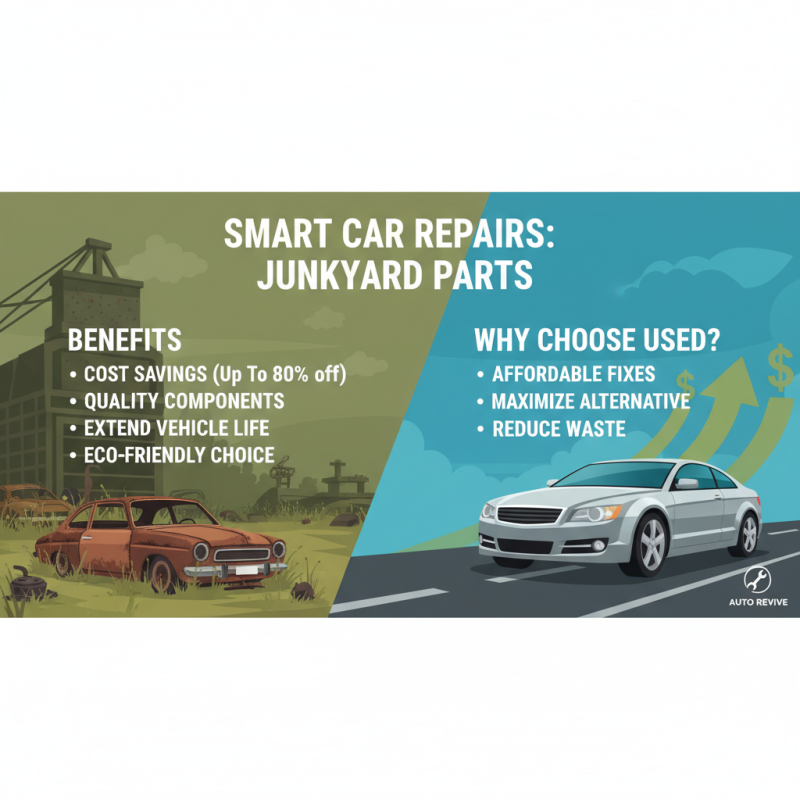
When it comes to vehicle repairs, many car owners face the dilemma of how to balance cost-effectiveness with quality. One increasingly popular solution is to consider junkyard auto parts. These components, salvaged from vehicles that are no longer operational, provide a budget-friendly alternative to purchasing brand new parts. Embracing junkyard auto parts not only helps save money but also promotes recycling and sustainability in automotive repair.
The advantages of selecting junkyard auto parts extend beyond mere affordability. For instance, these parts are often still in good working condition, allowing car owners to restore their vehicles without compromising quality. Additionally, junkyards typically offer a vast array of parts for various makes and models, making it easier to find specific components that might be hard to source elsewhere. As environmental concerns grow, choosing recycled auto parts can also minimize waste and lessen the overall carbon footprint associated with car repairs.
In a world where financial and environmental considerations intertwine, junkyard auto parts emerge as an intelligent choice for anyone looking to maintain their vehicle. By exploring this viable option, car owners can ensure their repairs are both economical and eco-friendly, ultimately leading to a more sustainable approach to automotive maintenance.

When considering vehicle repairs, opting for junkyard auto parts can offer numerous advantages that make them an attractive choice for cost-conscious consumers. One primary benefit is the significant savings associated with purchasing used parts. Junkyards often provide quality components at a fraction of the price of new ones, enabling car owners to keep repair costs manageable without sacrificing quality. Additionally, many parts are still in excellent condition and can extend the life of your vehicle, making junkyards a smart alternative for those looking to maximize their investments.
Tip: Before heading to the junkyard, it’s helpful to do some research on the parts you need. Make a list of the specific items you’re looking for and familiarize yourself with their market prices. This preparation can help you negotiate and ensure that you’re getting a fair deal.
Another compelling reason to use junkyard auto parts is the environmental benefits. By choosing used components, you help reduce waste and lessen the demand for new parts, which often require significant resources to produce. This eco-friendly approach supports sustainability and can contribute to a greener planet. Moreover, many junkyards now offer warranties on their parts, providing an additional layer of reassurance for buyers.
Tip: When selecting used auto parts, always inspect them carefully for any signs of wear or damage. Ask about the return policy as well, so you can shop with confidence knowing you have options if the part doesn’t perform as expected.
When it comes to vehicle repairs, opting for junkyard auto parts can lead to significant cost savings compared to purchasing new ones. Junkyards offer a treasure trove of used parts that are often in good condition but sold at a fraction of the cost of their new counterparts. This affordability is especially beneficial for those on a tight budget or for repairs that may not require brand-new parts. By choosing used components, you can allocate your funds to other critical areas of your vehicle’s maintenance or repairs.
Additionally, the wide variety of parts available in junkyards can make it easier to find specific items needed for your vehicle. Many junkyards have a large inventory from various makes and models, increasing the chances of finding hard-to-source parts that might otherwise be expensive or even unavailable when purchasing new. This not only helps save money but also allows for quicker repairs, as the waiting period for new parts can often be lengthy. In essence, selecting junkyard auto parts is a smart and economical choice that can keep your vehicle running smoothly without breaking the bank.
| Part Type | New Part Price ($) | Junkyard Part Price ($) | Savings (%) |
|---|---|---|---|
| Engine | 2500 | 800 | 68 |
| Transmission | 1500 | 600 | 60 |
| Bumper | 350 | 100 | 71 |
| Headlights | 200 | 50 | 75 |
| Alternator | 350 | 120 | 66 |
Recycling auto parts has a significant positive impact on the environment, offering a sustainable solution to vehicle repair needs. According to the Automotive Recyclers Association, recycling a single vehicle can save over 2,500 pounds of steel, along with substantial amounts of other materials like aluminum and copper. In fact, using recycled metals can reduce energy consumption by up to 74% for aluminum and about 63% for steel, which translates to lower greenhouse gas emissions during production. This presents a compelling argument for choosing junkyard auto parts for repairs, as each reused component contributes to a decrease in the demand for new materials and conserves natural resources.
Furthermore, the environmental benefits extend beyond just energy savings. The National Vehicle Leasing Association reports that for every three vehicles recycled, one less vehicle ends up in a landfill, significantly reducing the waste generated from discarded vehicles. This is essential in combatting land pollution and conserving valuable landfill space. Auto parts recycling also promotes the circular economy, ensuring that materials are continuously reused rather than discarded. By opting for junkyard parts, consumers not only save money but actively participate in a more sustainable automotive lifecycle that prioritizes environmental health.
When considering vehicle repairs, many car owners overlook the possibilities offered by junkyard auto parts, often dismissing them as subpar. However, reputable junkyards implement rigorous quality assurance practices that can rival new parts. For instance, the Automotive Recyclers Association (ARA) states that recycled auto parts meet the same standards of safety and reliability as new parts, thanks to stringent inspection processes. Parts are carefully assessed for wear and damage, and only those passing these inspections are sold. This means that consumers can access parts that have been verified for quality, which not only provides superior value but also enhances vehicle safety.
Moreover, a report from the Bureau of Automotive Recycling highlights that buying junkyard parts can lead to significant cost savings—often anywhere from 30% to 70% less than new parts. This price advantage, combined with the assurance of quality, makes junkyard parts an attractive option for budget-conscious consumers. Environmentally conscious repair choices also play a role in this trend, as using recycled parts contributes to reduce landfill waste and conserve resources. As such, opting for junkyard parts does not just enhance the affordability of vehicle repairs; it also promotes sustainable practices within the automotive industry.
When it comes to sourcing auto parts for vehicle repairs, junkyards offer a treasure trove of options. To effectively find and purchase parts, start by identifying the specific components you need. Make a list of the parts, including details like make, model, and year of your vehicle. This initial step will streamline your search and help you communicate your needs clearly to junkyard staff.
Next, visit local junkyards or explore their online inventory if available. Many junkyards now maintain websites showcasing their available parts, which can save you time. When at the junkyard, don't hesitate to ask questions; staff members often possess valuable knowledge and can guide you to the right sections. It's also wise to inspect parts closely for signs of wear or damage. By being well-prepared and thorough, you can navigate the junkyard effectively and secure the parts needed for a successful vehicle repair.
Logel’s Auto Parts
116 Bridge St East
Kitchener, Ontario
N2K 1J6
Phone: 519-745-4751
Toll Free: 1-800-818-9118
Hours 8:00-5:00 Monday to Friday
At Logel’s Auto Parts, we serve a range of communities in Southern Ontario, including:
Sign up today for the latest updates from the Logel’s Auto Parts team, including pricing for scrap vehicles, our newest product lines, current operating hours, and much more.