How to Choose the Best Car Headlights for Your Vehicle?
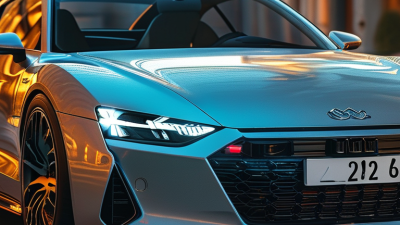
Choosing the right car headlights is essential for safety and performance. According to Richard Peterson, an automotive lighting expert, “The right headlights enhance visibility and make driving safer at night.” Car headlights influence how well you see the road. Poorly chosen lights can diminish your ability to react to obstacles.
Many drivers overlook the importance of selecting the most suitable car headlights. With numerous options available, it can be overwhelming. Different types, such as LED, halogen, and xenon, have unique benefits and downsides. For instance, LED headlights tend to last longer and provide brighter illumination. However, they can be more expensive upfront.
Reflecting on personal experiences can help drivers make informed decisions. Consider the clarity of your current headlights. Are they dim or yellowed? Such signs indicate a need for replacement. Choosing the right car headlights ensures everyone on the road can see you clearly, reducing the risk of accidents.
Understanding Different Types of Car Headlights
When choosing car headlights, it's essential to understand the different types available. Halogen bulbs are the most common. They offer a warm light and are relatively inexpensive. However, their brightness diminishes quickly. Also, they can consume more energy compared to newer options. Drivers using halogen lights often complain about limited visibility at night.
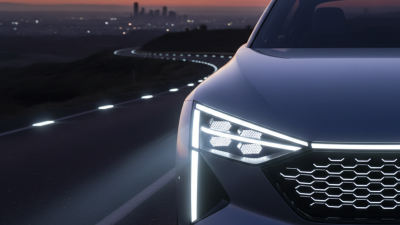
LED headlights are a popular choice among modern vehicles. They last longer and are more energy-efficient than halogen. These lights produce a brighter, white light, which can improve nighttime driving. Still, installation can sometimes be tricky. Not all vehicles are compatible with LED upgrades, so careful consideration is necessary.
Xenon lights, also known as HID (High-Intensity Discharge), emit an intense bluish light. They illuminate the road effectively but can also create glare for other drivers. This glare issue is often overlooked. While they might be more efficient, maintenance costs can be higher. It's important to weigh these factors when making a decision. Regardless of the type, ensuring proper alignment is crucial for safety.
Evaluating Brightness and Color Temperature for Safety
When selecting car headlights, brightness and color temperature are crucial for safety. A well-lit road can prevent accidents, especially at night. Brightness is measured in lumens. Brighter lights can improve visibility but can also cause glare for oncoming drivers. Finding the right balance is essential.
Color temperature affects how light appears on the road. It is measured in Kelvins. Most vehicle headlights range from 3000K (yellowish) to 6000K (whitish). A higher color temperature may seem brighter, but it can also create shadows. You want lights that enhance your ability to see without blinding others.
Consider these points:
- Test different headlights in various conditions.
- Observe how they perform in rain or fog.
- Check how other drivers react to your lights.
Understanding brightness and color temperature can lead to better choices. The right headlights should enhance safety without sacrificing comfort for other drivers. Remember that not every bright light is ideal. Experiment and adjust until you find what works best for you.
Headlight Brightness and Color Temperature Comparison
Examining Headlight Longevity and Durability Factors
When selecting car headlights, longevity and durability are crucial factors. Studies show that LED headlights can last up to 30,000 hours, significantly outlasting halogen bulbs, which typically last around 1,000 hours. This longevity translates into fewer replacements and more consistent performance over time. However, not all LED products are created equal. Research indicates that heat dissipation and build quality significantly influence their lifespan.
Durability is equally important when considering headlight options. Factors like resistance to vibrations and environmental conditions play a role. For instance, glass lenses tend to withstand impacts and harsh weather better than plastic alternatives. Yet, the potential for scratches on glass can be a consideration. Physical tests demonstrate that high-quality materials can endure demanding conditions. Manufacturers often use standardized tests to measure performance against these factors, yet results can vary widely.
While specifications and claims provide guidance, real-world usage may reveal discrepancies. Drivers frequently encounter issues with fogging and condensation, regardless of the type chosen. Acknowledging these imperfections helps consumers make informed choices. Understanding headlight longevity and durability is vital for effective vehicle maintenance and safety on the road.
Considering Compatibility with Your Vehicle Model
When selecting headlights, compatibility with your vehicle model is crucial. Different makes and models often require specific types of headlights. According to a report by the National Highway Traffic Safety Administration (NHTSA), improper installation of headlights can lead to decreased visibility and increase the risk of accidents. Ensuring that the headlights match your vehicle’s specifications guarantees optimal functionality.
Consider also the headlight type that suits your car. Halogen, HID, and LED each offer unique advantages. For example, LEDs can last up to 25,000 hours, while halogens generally only last about 1,000 hours. However, not all vehicles support LED technology. Research shows that approximately 30% of drivers remain unaware of their vehicle’s particular requirements. This lack of knowledge can lead to poor choices, resulting in wasted money and time.
Checking the vehicle owner’s manual can provide insights into the correct headlight type. Yet, many overlook this essential step. Compatibility mistakes often arise when unnecessary upgrades are pursued without thorough research. Understanding the specific configuration of your vehicle helps in making informed decisions, enhancing safety on the road.
Exploring Installation Options and Maintenance Tips
When it comes to car headlights, installation options can vary significantly. Many drivers may choose to handle installations themselves, thanks to readily available guides and videos online. According to a report by the AAA, about 30% of drivers have attempted DIY repairs. While this can be cost-effective, it’s essential to note that improper installation can lead to misaligned beams or electrical issues. This risk increases if you lack hands-on experience.
For those opting for professional installation, understanding the costs involved is crucial. A survey from the Automotive Aftermarket Association indicates that professional installations can range from $50 to $150, depending on the vehicle type. It's crucial to select a qualified technician who understands the specific requirements of your vehicle. This ensures compliance with safety standards and extends the lifespan of your headlights, as improper setups can accelerate wear and tear.
Maintaining headlights should not be overlooked. Regularly cleaning the lenses enhances visibility and maximizes their lifespan. In fact, a study by the Society of Automotive Engineers found that dirty or foggy lenses can reduce light output by up to 70%. Drivers should also check connections and aim regularly, addressing common issues before they escalate. This proactive approach reflects a commitment to safety on the road, demonstrating that even small maintenance tasks matter.