Blog
China Best Eco Parts Manufacturers for Global Buyers
Global buyers are looking for eco parts that can reduce material waste, improve product efficiency, and support more responsible sourcing. China has a broad manufacturing base, including specialist workshops and larger factories with molding, machining, and assembly capabilities. This variety gives buyers options for different product needs and production volumes. It also makes supplier selection more demanding. Details matter. A sustainability label alone cannot show how a component performs or how it was made.
This guide explores Chinese eco parts manufacturers and the practical questions buyers should ask before requesting a quote. Review material specifications, product samples, quality-control procedures, and available test documentation. Ask how recycled or lower-impact materials affect strength, finish, and service life. Check whether a supplier can provide consistent production records and clear communication when specifications change. These checks help turn broad environmental claims into verifiable purchasing criteria. A factory tour or independent assessment may offer useful context, but neither replaces a careful review of the actual product.
Price remains important. So do lead times, minimum order quantities, tooling costs, and shipping arrangements. Buyers should compare these factors alongside material and performance data, rather than relying on marketing language. No supplier is perfect. Some details may take extra work to confirm, especially early in a project. A measured approach can help global buyers identify manufacturers whose capabilities fit their requirements and whose claims stand up to scrutiny.
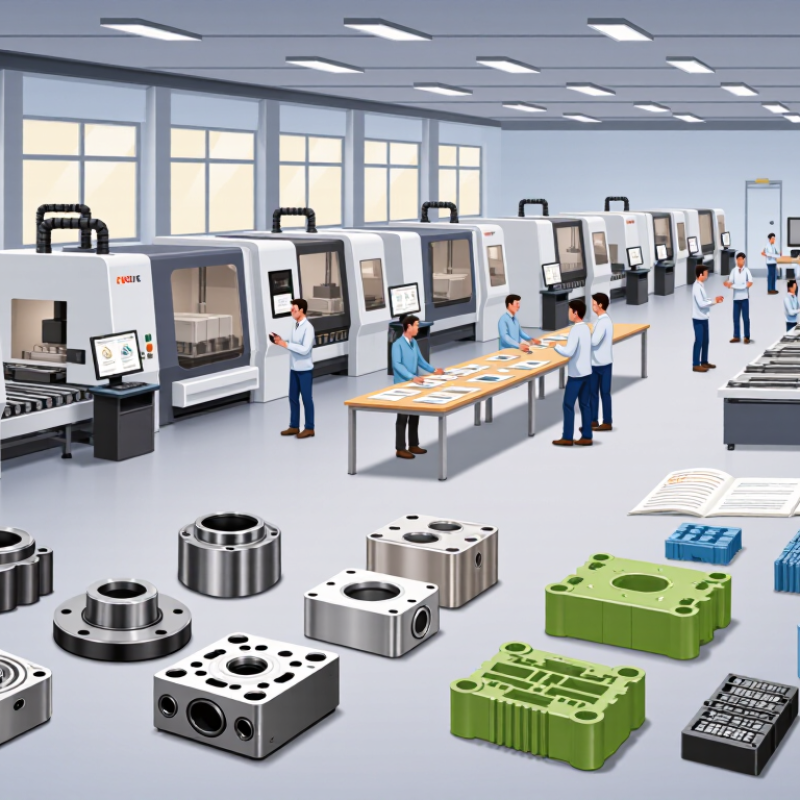
Table of Contents
[Hide]
Understanding Eco Parts and Their Role in Sustainable Manufacturing
Eco parts are components made to reduce environmental impact across production, use, and disposal. They may use recycled metals, lower-impact polymers, or simpler designs that create less manufacturing scrap. Examples include equipment housings, seals, brackets, and fasteners. The material alone does not make a part sustainable. Its service life matters.
A durable component can avoid repeated replacement, while a repairable design may keep a larger assembly in use. Buyers should check material specifications, recycled-content records, and test results for the actual application. A lighter part can reduce shipping weight, but only if it still meets strength and safety requirements. Not always.
Supplier discussions should cover process energy, waste controls, batch traceability, and end-of-life options. These details help distinguish measurable improvements from broad environmental claims. The comparison also depends on what is included: material production, factory operations, transport, or disposal. Trade-offs remain. Recycled polymer, for example, may need different processing conditions or show variable performance between batches. A clear specification and sample testing can reveal issues before a design is adopted. Sometimes the greener choice is less obvious than expected.
China Best Eco Parts Manufacturers for Global Buyers - Understanding Eco Parts and Their Role in Sustainable Manufacturing
Use this table to assess eco-part options and supplier evidence. Environmental benefits depend on product design, material composition, manufacturing processes, transport, use, and end-of-life treatment; a material label alone does not establish a lower overall impact.
| Eco-Part Category | Sustainability Approach | Potential Role in Sustainable Manufacturing | Useful Evidence to Request | Buyer Checks and Trade-Offs |
|---|---|---|---|---|
| Recycled-aluminum components Examples: housings, brackets, and heat sinks |
Uses aluminum recovered from post-consumer or manufacturing scrap instead of, or alongside, primary aluminum. | Recycling aluminum generally requires substantially less energy than producing primary aluminum from ore. Actual benefits vary with recycled content, electricity sources, and processing. | Material composition and recycled-content documentation; traceability records; product carbon-footprint information prepared using a defined method, such as ISO 14067. | Confirm the percentage and origin of recycled material, alloy grade, mechanical properties, and whether coatings or mixed materials affect recycling. |
| Recycled-content plastic parts Examples: enclosures, clips, and molded covers |
Incorporates recycled polymer feedstock, which may be post-consumer or post-industrial. | Can reduce demand for virgin polymer and divert suitable plastic from disposal when the part performs reliably and can be recovered after use. | Recycled-content declaration and supporting records; polymer identification; applicable chemical-compliance documentation. ISO 14021 provides requirements for self-declared environmental claims. | Check recycled-content calculation, color and appearance variation, batch consistency, durability, and compliance with restrictions relevant to the destination market and product type. |
| Repairable or replaceable assemblies Examples: modular pumps, power units, and serviceable subassemblies |
Designed so that worn or failed modules can be repaired or replaced without discarding the whole product. | May extend product service life and reduce replacement-part and material demand when repair is practical and supported over time. | Exploded drawings, repair instructions, spare-parts availability period, replaceability details, and reliability or service-life test reports. | Assess access to parts and tools, repair labor, compatibility of replacement modules, and whether the design actually permits non-destructive disassembly. |
| Remanufactured components Examples: industrial motors, gear units, and hydraulic components |
Used products or cores are inspected, restored, and tested for a defined level of function and performance. | Can retain product value and avoid some new-material production compared with manufacturing a replacement from new materials; results depend on the process and component life achieved. | Process description, inspection and performance-test records, core traceability, warranty terms, and clear criteria distinguishing remanufactured from repaired or refurbished parts. | Confirm operating-life expectations, critical-component replacement rules, safety requirements, and availability of service support and compatible spares. |
| Bio-based polymer components Examples: selected packaging parts and non-critical molded items |
Uses some or all feedstock derived from biological resources rather than fossil feedstock. | Can diversify feedstock sources. The environmental result depends on feedstock, land-use impacts, production energy, and end-of-life route. | Bio-based-content evidence, feedstock traceability, material specifications, and relevant life-cycle or carbon-footprint information. | Do not assume “bio-based” means biodegradable or compostable. Verify the required disposal conditions and whether the part meets performance and local waste-system requirements. |
| Lower-carbon steel components Examples: frames, fasteners, and formed brackets |
Sources steel produced with lower reported greenhouse-gas emissions, potentially through process changes, energy choices, or increased scrap use. | Can help reduce the material-related footprint of steel-intensive products when emissions data are comparable and product requirements are maintained. | Product-specific emissions data, reporting boundary and allocation method, production-route information, and material-grade documentation. | Compare data using consistent boundaries and units; confirm strength, corrosion protection, tolerances, and that claimed emissions reductions are not double-counted. |
| Energy-efficient electrical or mechanical parts Examples: motors, drives, and power-conversion components |
Improves efficiency during the product’s operating phase through component selection and system design. | May reduce operational energy use where the component operates frequently and the efficiency gain is realized in the complete system. | Test reports under relevant methods, rated operating conditions, efficiency data, and system-level validation where available. | Compare performance at the buyer’s actual load and duty cycle. A component rating alone does not establish whole-system energy savings. |
Related Posts
-

China Top 10 Auto Parts Stores for Global Buyers?
-
China Best Auto Recycling Equipment Suppliers?
-
How to Find Reliable Car Auto Parts Suppliers?
-
Top 10 Tips for Buying Junkyard Auto Parts and Saving Money
-

Where to Find Quality Junkyard Auto Parts for Your Vehicle?
-

10 Best Auto Recycling Practices for a Greener Future?