10 Best Eco Cars for Sustainable Driving in 2026?

As the world embraces sustainability, eco cars evolve to meet this need. In 2026, the demand for environmentally friendly vehicles grows. Consumers seek cars that provide low emissions and high efficiency. These eco cars represent innovation and responsibility.

The design of eco cars has changed significantly. Various manufacturers focus on electric and hybrid technologies. Some brands prioritize performance alongside sustainability. However, the market offers diverse options, making it challenging for buyers. Not every eco car perfectly balances performance with eco-friendliness.

In choosing an eco car, one must consider individual needs. Will it suit your commuting habits? Can it handle long trips? It’s easy to get carried away by emerging trends. Reflection is crucial. Not every model will fit every lifestyle, so research is key. The journey to sustainable driving requires careful thought and personal reflection.
10 Best Eco Cars for Sustainable Driving in 2026?

Overview of Eco Cars: Definition and Importance for Sustainability

Eco cars are designed to minimize environmental impact. They use less fuel and produce fewer emissions. This makes them vital for achieving sustainability. As pollution levels rise, choosing eco-friendly vehicles is crucial. These cars help reduce our carbon footprint significantly. They also promote a shift towards renewable energy sources.

Driving an eco car means more than just saving fuel. It encourages a lifestyle change. You'll think twice about how you travel. Walking or cycling could complement your eco-friendly choice. These changes reduce overall emissions and enhance personal health.

Consider these tips when choosing an eco car:

  • Look for models with high fuel efficiency.
  • Research electric and hybrid options that fit your needs.
  • Visit local dealerships to test drive different vehicles.
  • Understand your driving habits and choose accordingly.
Investing in an eco car can lead to long-term savings and environmental benefits.

Key Features of Sustainable Driving in Eco Cars

Sustainable driving is more than just choosing eco cars. It involves understanding key features that support environmental responsibility. Electric vehicles (EVs) are a great choice. According to recent industry reports, EVs can reduce greenhouse gas emissions by up to 60% compared to traditional cars. This significant decrease highlights the importance of cleaner energy sources.

Battery efficiency plays a critical role in sustainability. Advanced battery technologies can increase range while reducing the carbon footprint. A report by the International Energy Agency states that higher efficiency batteries can lead to 20% longer driving ranges. However, not all manufacturers prioritize this. The question arises: are current options sufficient?

Sustainable materials also matter. Many eco cars now use recycled plastics and bio-based materials. Yet, not every manufacturer embraces this practice. Only 30% of eco car models currently utilize sustainable interior components. The focus should shift to increasing this percentage. Eco-friendly driving is a collective responsibility, prompting us to demand better from the auto industry.

Top Eco-Friendly Technologies in 2026 Vehicles

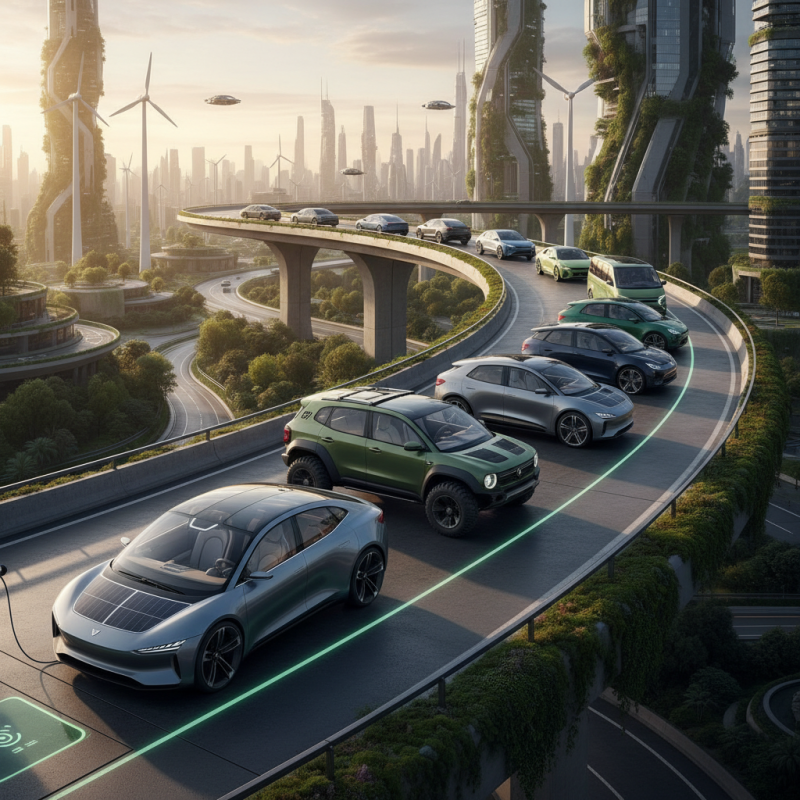
As we look to 2026, innovations in eco-friendly technologies are set to reshape the automotive landscape. Solar panels integrated into vehicle bodies can harness sunlight while parked or on the road. These panels may help recharge batteries, extending driving range significantly. Regenerative braking systems are improving, allowing vehicles to recover energy as they slow down. This technology not only enhances efficiency but also contributes to overall energy conservation.

Electric vehicles continue to dominate discussions around sustainability. The emergence of solid-state batteries promises faster charging times and greater range. These batteries are lighter and safer than traditional lithium-ion options. Furthermore, manufacturers are exploring bio-based materials for vehicle construction. Using sustainable resources can reduce the carbon footprint of production processes.

However, challenges remain. Infrastructure for charging needs improvement in many areas. Consumers may still feel uneasy about range limitations. Adoption of innovations requires public awareness and education. Many people still cling to old habits and familiarity with traditional vehicles. Bridging this gap will be crucial for a greener future.

10 Best Eco Cars for Sustainable Driving in 2026

Model Type Electric Range (miles) Fuel Efficiency (MPG) CO2 Emissions (g/km) Price ($)
Model A Hybrid 45 50 85 30,000
Model B Electric 250 N/A 0 40,000
Model C Plug-in Hybrid 30 60 70 35,000
Model D Hydrogen 400 N/A 0 50,000
Model E Electric 300 N/A 0 55,000
Model F Hybrid 50 70 75 32,000
Model G Electric 350 N/A 0 48,000
Model H Plug-in Hybrid 35 65 72 38,000
Model I Electric 200 N/A 0 42,000
Model J Hydrogen 420 N/A 0 65,000

Comparison of the 10 Best Eco Cars: Specs and Performance

10 Best Eco Cars for Sustainable Driving in 2026?

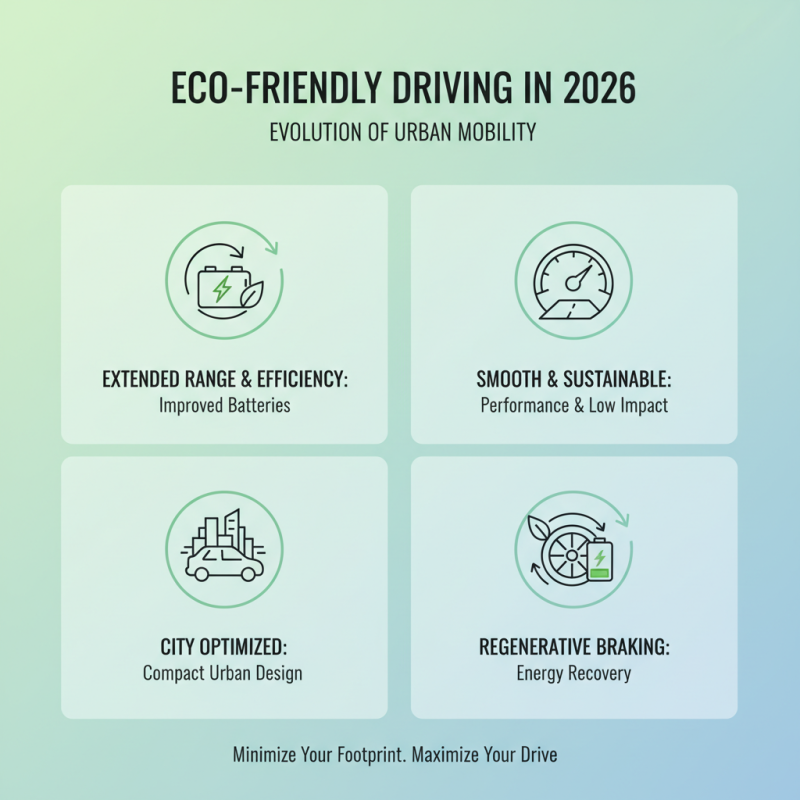
As we head into 2026, eco-friendly driving options continue to evolve. The latest models feature improved battery ranges and energy efficiency. Many are designed to tackle the challenge of city driving, often offering compact forms that fit urban spaces. Performance-wise, these cars promise a smooth ride while minimizing environmental impact. Some even have regenerative braking systems.

However, there's room for criticism. While many eco cars claim to be green, production methods often leave a larger carbon footprint. Consumer choices still tend to lean towards the latest tech rather than sustainable practices. Moreover, charging infrastructure remains a hurdle in many regions, limiting the practicality of some advanced models. What does sustainable driving really mean when accessibility is an issue?

Environmental Impact and Benefits of Driving Eco Cars in 2026

Driving eco cars in 2026 presents numerous environmental benefits. These vehicles reduce greenhouse gas emissions significantly. According to a 2022 report from the International Energy Agency, electric vehicles alone could cut global CO2 emissions by up to 1.5 gigatons by 2030. This could lower pollution levels in urban areas, making cities healthier.

Using eco cars also encourages renewable energy use. Energy sources like wind and solar power are expected to comprise over 50% of energy production by 2026. This shift reduces reliance on fossil fuels. However, challenges remain in infrastructure development for charging stations. Many cities still lack sufficient facilities, creating barriers for potential users.

The manufacturing of eco cars poses its own environmental concerns. Battery production requires significant resources, such as lithium and cobalt. Mining these materials can lead to habitat destruction. Awareness of sustainable mining practices is crucial. Transitioning to eco-friendly driving should not ignore the entire lifecycle of these vehicles. Balancing environmental benefits with these complex issues is necessary for true sustainability.

Environmental Impact of Eco Cars in 2026

Start typing and press Enter to search