What is the Best Eco Car to Buy in 2026?

As we look ahead to the eco car market in 2026, consumer interest is rapidly growing. According to a report from the International Energy Agency (IEA), electric vehicles (EVs) accounted for over 10% of global car sales in 2022. This trend is expected to surge as more manufacturers pivot towards sustainable options. The demand for eco-friendly cars reflects a broader commitment to combat climate change.

However, not all eco cars are created equal. Some models fall short in performance or affordability. Industry experts suggest that buyers should consider both the environmental impact and overall value. According to a survey by Automotive News, 35% of consumers still find eco cars too expensive. This presents a challenge for manufacturers to improve both pricing and functionality.

Navigating the eco car landscape requires reflection on personal needs. Choosing the right car impacts not just individual budgets but also global emissions. By 2026, it will be crucial to prioritize options that are not only green but also practical. The journey towards a sustainable future is ongoing, and consumers play a key role in shaping it.
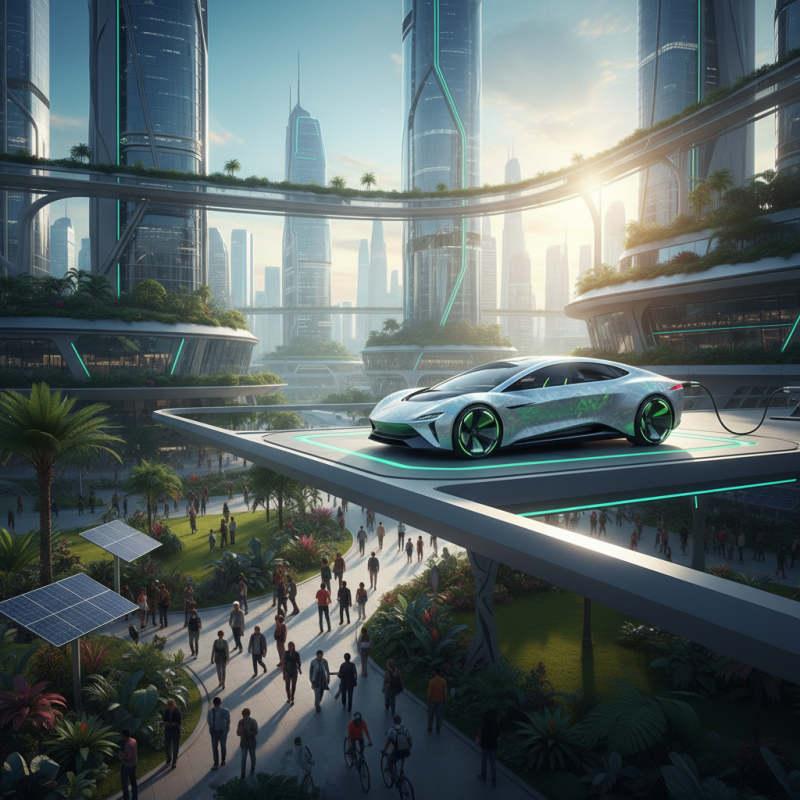
What is the Best Eco Car to Buy in 2026?

Overview of Eco Cars in 2026

What is the Best Eco Car to Buy in 2026?

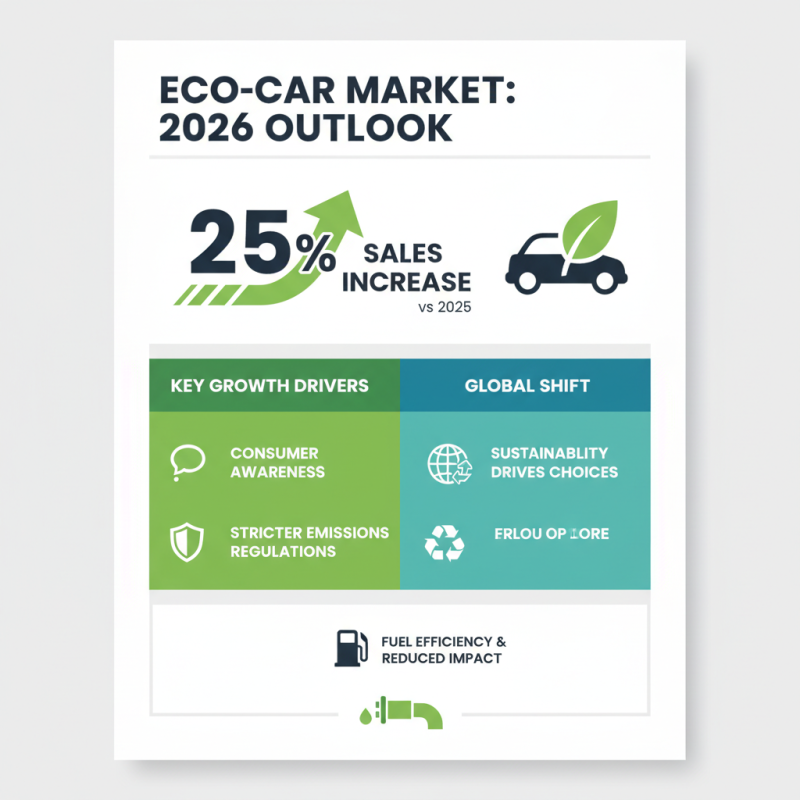
In 2026, the eco car market is set to grow significantly. Analysts predict a 25% increase in sales compared to 2025. This surge is driven by rising consumer awareness and stricter emissions regulations. The global push for sustainability continues to shape consumer choices. Many buyers are looking for vehicles that offer fuel efficiency and reduced environmental impact.

Battery technology is advancing rapidly. Improvements are leading to longer ranges and shorter charging times. Reports indicate that the average range for electric vehicles is expected to exceed 300 miles in 2026. However, infrastructure challenges remain. Not all regions have adequate charging facilities, which can deter potential buyers.

The cost of eco cars is another evolving factor. While prices may fluctuate, government incentives could play a crucial role. Some estimates show that subsidies could lower the effective price by up to 20%. Still, consumers question whether the upfront costs justify long-term savings. Moreover, the used eco car market is still developing, presenting both opportunities and challenges.
Key Factors to Consider When Choosing an Eco Car

Choosing the best eco car requires careful consideration of several key factors. Fuel efficiency is paramount. According to recent industry reports, the average eco car should achieve at least 40 miles per gallon. This benchmark ensures lower fuel costs and reduced carbon footprint. However, efficiency ratings can vary widely among models, so it’s crucial to compare numbers before making a decision.

Another important factor is battery life and charging infrastructure. A 2023 study showed that over 75% of electric vehicle (EV) owners consider charging convenience essential. Look for vehicles with fast-charging options. Check the availability of charging stations in your area. It’s essential to acknowledge that infrastructure may be lacking in some regions, which can impact daily use.

Beyond performance, think about safety ratings and environmental impact. Cars are not just machines; they affect our planet. Some eco cars come with superior safety scores, but their sustainable materials can vary. The dilemma is ever-present. You might find a car that performs well but uses materials that are not eco-friendly. Balancing these trade-offs is a challenge every buyer faces.

Top Eco Car Models Available in 2026

What is the Best Eco Car to Buy in 2026?

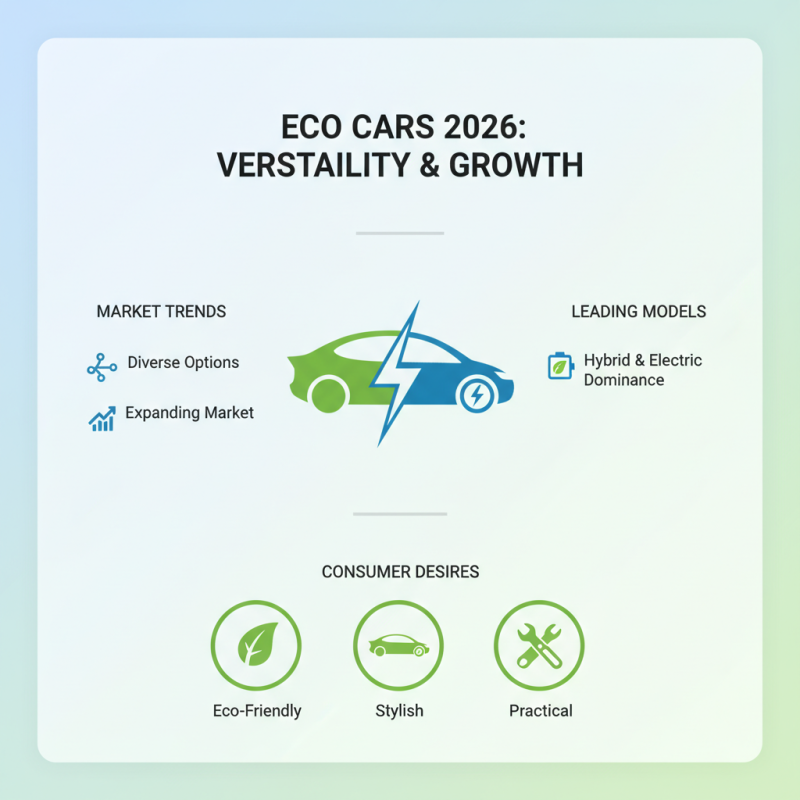
As we look ahead to 2026, eco cars are becoming more versatile. The market is expected to be vibrant, with various options emerging. Hybrid and electric models will dominate the scene. Many consumers desire cars that are not only eco-friendly but also stylish and practical.

Some models will offer advanced technology and improved efficiency. Features like regenerative braking and energy-efficient interiors can enhance the driving experience. Others may provide an all-electric range that suits daily needs without relying on fossil fuels. However, some consumers might still find the initial cost of these eco cars a barrier.

Nonetheless, a growing interest in sustainable living is driving demand. The challenge remains for manufacturers to make eco cars accessible. More affordable models could cater to a broader audience. Test-driving different options can help consumers find the best fit. Each model will have its strengths and weaknesses. Choosing the right vehicle may take some thought and research.

Comparative Analysis of Eco Car Performance and Efficiency

When choosing an eco car for 2026, performance and efficiency stand out as crucial factors. Many models focus on reducing emissions while maximizing energy use. Some cars might excel in fuel efficiency, yet struggle with acceleration or handling. It’s important to discover a balance between these attributes.

Looking at energy sources, hybrids and fully electric options present distinct advantages. Electric vehicles often offer lower running costs and minimal maintenance. However, charging infrastructure can be inconsistent. Some users may find the range limiting for longer trips. Hybrids, on the other hand, may provide convenience with traditional fuel but can lack the same level of eco-friendliness.

As consumers weigh their options, it becomes clear that no car is perfect. Each eco model may shine in one area while revealing weaknesses in another. This reality prompts a deeper look into personal driving needs. Understanding these needs will shape the best choice for the environmentally conscious driver in 2026.

Future Trends in Eco Car Technology and Design

The eco car market is rapidly evolving. In 2026, advancements will shape purchasing decisions. A recent industry report estimated that electric vehicle (EV) sales could double, making up 25% of the total car market. Consumers increasingly seek sustainable options. This trend is led by improving battery efficiency and renewable energy integration.

Design will play a vital role. Lightweight materials will become standard, enhancing performance and reducing emissions. Reports indicate that cars using these materials can improve efficiency by up to 30%. However, the challenge remains in balancing cost-effectiveness and sustainability. Manufacturers must rethink production processes.

Smart technology integration is another future trend. Autonomous driving features will complement eco-friendly designs. Improved AI systems promise efficiency and safety. But the public's acceptance of these technologies varies. Some consumers remain skeptical about fully autonomous vehicles. This could slow adoption rates in the short term. The road ahead is exciting but filled with hurdles.

Start typing and press Enter to search