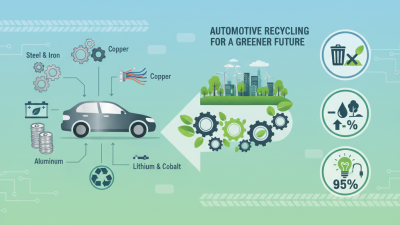
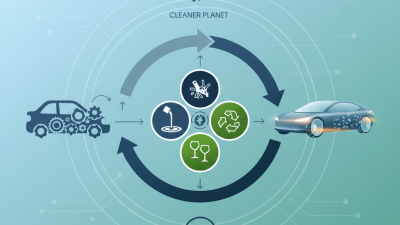
Auto recycling is an essential component of sustainable waste management. Each year, millions of vehicles reach their end of life. According to the Environmental Protection Agency (EPA), about 12 million cars are recycled annually in the United States alone. Proper auto recycling not only conserves energy but also reduces greenhouse gas emissions.
Despite these benefits, the industry still faces challenges. A significant number of vehicles are not recycled properly. In fact, it is estimated that about 25% of auto parts are sent to landfills instead of being reclaimed. This highlights the need for improved practices within the auto recycling sector.
Innovative technologies can enhance the recycling process. For instance, advanced dismantling techniques and automated sorting can increase efficiency. While many recycling facilities practice sustainable methods, some still fall short. The implementation of best practices in auto recycling is vital for a greener future. It paves the way for a circular economy, reducing reliance on raw materials. This is where the potential lies for significant environmental impact.

Auto recycling plays a crucial role in reducing waste and conserving resources. By effectively recycling vehicles, many components can be reused or repurposed. For example, metal parts are often melted down and reshaped. This process saves energy and minimizes the need for mining new materials. Many companies still struggle with efficiency in this area.
One common challenge is the improper disposal of hazardous fluids. Oil and coolant must be handled with care to prevent environmental harm. Despite guidelines, leaks occur. Training personnel properly can make a difference. Another key practice involves dismantling vehicles for parts recovery. Not all recyclers prioritize this, leading to wasted opportunities. By focusing on valuable components, recyclers enhance sustainability.
Consumer awareness also plays a vital role. Shoppers should inquire about recycling practices when buying new vehicles. This can encourage manufacturers to adopt better processes. However, not everyone knows the impact of recycling. More education is needed to emphasize its importance. The path to a greener future in auto recycling is clear, yet challenges remain.
Auto recycling is a vital component of sustainable development. It helps reduce waste and promotes the efficient use of resources. Every year, millions of vehicles reach the end of their life cycle. Without proper recycling, these cars could harm the environment. Auto recycling recovers metals, plastics, and glass. These materials can be repurposed for new products. This reduces the need for raw materials.
However, the industry faces challenges. Not all recycling centers operate under the same standards. Some may not follow safe practices. This can lead to pollution and resource wastage. Public awareness is crucial. Many individuals are unaware of the importance of recycling. Some may even think that it is not worth the effort. A vibrant discussion around the benefits of auto recycling can drive change.
Eco-friendly practices can make a significant difference. For example, dismantling vehicles responsibly can yield high-quality recyclables. Proper training for workers is essential to ensure safety. Communities can work together to promote local recycling programs. When individuals and businesses prioritize recycling, they contribute to a greener future. It's a shared responsibility that can lead to tangible environmental benefits.
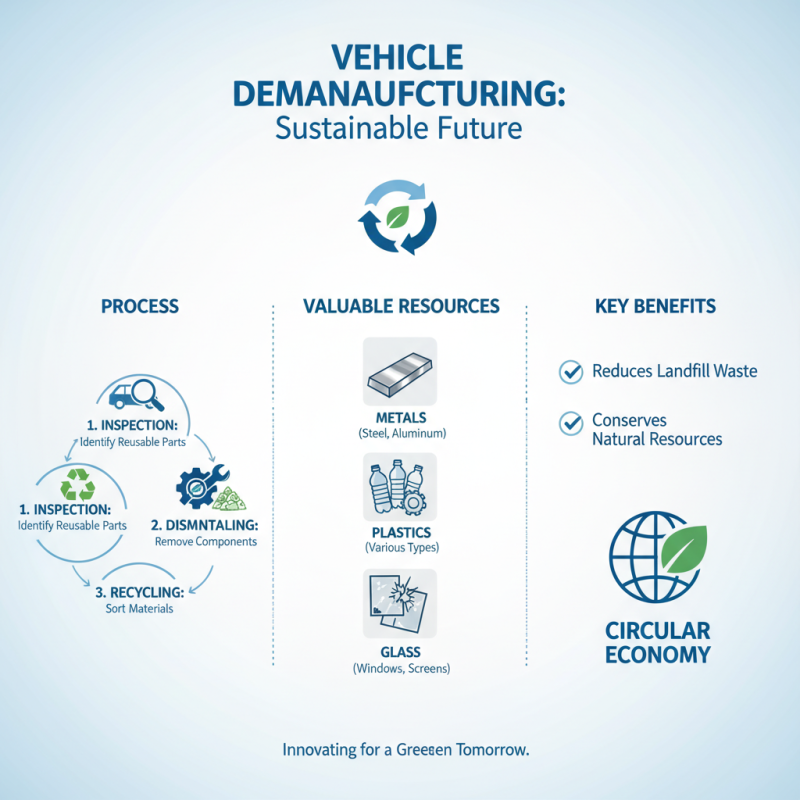
Vehicle demanufacturing is an essential process for a sustainable future. It involves dismantling vehicles for parts recycling. Each vehicle holds valuable resources like metals, plastics, and glass. Efficient practices start with a thorough inspection. This step helps identify reusable parts before they are removed.
Next comes the safe removal of hazardous materials. Fluids, batteries, and airbags must be handled carefully. Their improper disposal can cause environmental damage. After cleaning up these risky components, the focus shifts to material separation. Metals can be sent to recycling centers, while plastics are sorted for reprocessing. Remember, it’s not always perfect. Sometimes, recyclable materials end up in landfills.
The final stage is monitoring the recycling process. Tracking whether materials are genuinely reused is crucial. Are the recycled parts used in new products? Or do they just disappear? This is a reminder that oversight is vital. Reflecting on these steps can help us improve our demanufacturing practices. A greener future requires continuous effort and adaptation. Every vehicle dismantled holds lessons for innovation.
Innovative technologies are transforming auto recycling processes. These advancements focus on efficiency and environmental impact. For example, AI and machine learning can enhance sorting processes. Robots equipped with sensors identify recyclable materials quickly. This reduces human error and increases safety.
Tips: Ensure your facility uses automated systems for sorting. This not only streamlines processes but also minimizes waste.
Hydraulic shredders are another game-changer. They break down vehicles faster and recycle more materials. Innovations in shredding technology have improved resource recovery rates significantly. However, these machines consume a lot of energy. Evaluating energy sources is vital for sustainability.
Tips: Consider renewable energy options for operating machinery. It can drastically reduce your carbon footprint in the long run.
While these technologies advance recycling, challenges remain. Not all materials are easily recyclable yet. Finding the right balance between technology and manual labor is crucial. Emphasizing education about proper disposal methods also helps. Keeping up with evolving technology can lead to better recycling practices.
This chart illustrates the effectiveness of various auto recycling practices based on their recycling rates. The data highlights the most successful methods in enhancing the sustainability of auto recycling processes.
Community involvement is crucial for promoting auto recycling initiatives. Local events can educate citizens about the importance of recycling old vehicles. Workshops provide hands-on learning. It’s effective to showcase successful recycling examples. This motivates others to take action.
Neighborhood clean-up days can include auto recycling. People can bring old parts for responsible disposal. Community leaders play a vital role in this. They can organize drives and create awareness. Social media campaigns can spread the word quickly. Visual content often attracts more attention.
Challenges remain. Not everyone understands the benefits of auto recycling. Misinformation can lead to a lack of participation. Addressing misconceptions is essential. Engaging local schools can further promote recycling habits. Youth can become advocates for change. Encouraging discussions in community centers can foster a culture of recycling.
Logel’s Auto Parts
116 Bridge St East
Kitchener, Ontario
N2K 1J6
Phone: 519-745-4751
Toll Free: 1-800-818-9118
Hours 8:00-5:00 Monday to Friday
At Logel’s Auto Parts, we serve a range of communities in Southern Ontario, including:
Sign up today for the latest updates from the Logel’s Auto Parts team, including pricing for scrap vehicles, our newest product lines, current operating hours, and much more.