Top 10 Benefits of Auto Recycling You Need to Know Today
Auto recycling is an increasingly vital practice in today’s environmentally conscious society. As the world grapples with the consequences of waste and pollution, auto recycling stands out as a sustainable solution that benefits not only the environment but also the economy and communities. This process involves the dismantling of vehicles and the recovery of materials that can be reused or refurbished, significantly reducing the need for new resources. With millions of cars reaching the end of their life cycle each year, understanding the benefits of auto recycling has never been more crucial.
The advantages of auto recycling extend beyond mere waste management. This practice conserves natural resources, reduces greenhouse gas emissions, and minimizes landfill use. Additionally, auto recycling creates job opportunities in the green economy, fostering a sustainable workforce. By highlighting the top ten benefits of auto recycling, we can better appreciate how this initiative contributes to a healthier planet, economic growth, and community well-being. As we delve into these benefits, it becomes clear that auto recycling is not just an option—it's a necessity for a sustainable future.
Understanding Auto Recycling: An Overview
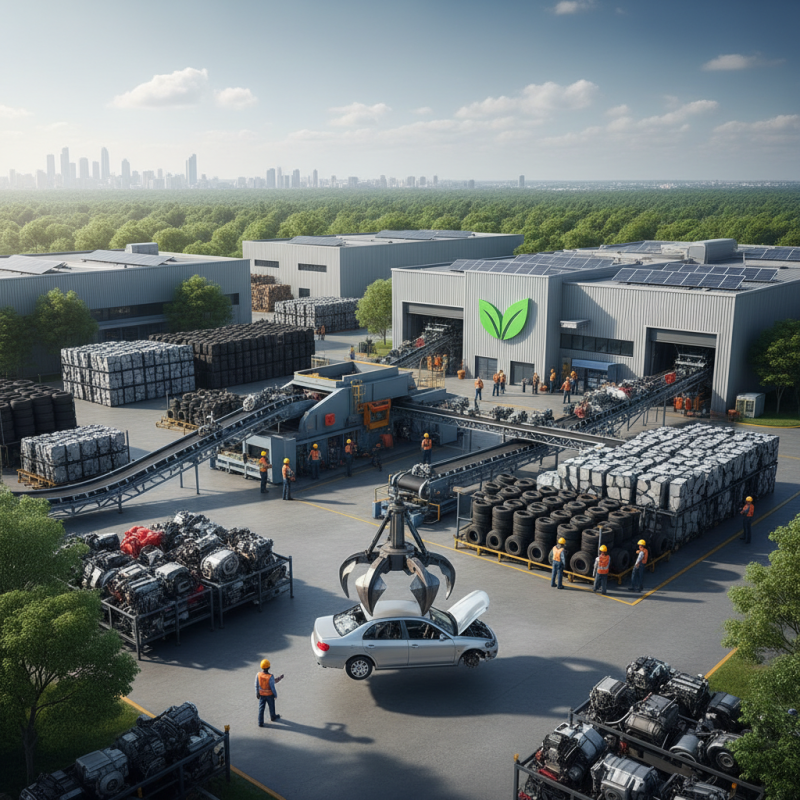
Auto recycling is an essential process that contributes significantly to environmental conservation and resource management. By recycling vehicles, we can recover valuable materials such as steel, aluminum, and various plastics that constitute a large portion of a car’s composition. According to the Automotive Recyclers Association, over 25 million tons of material are recycled from end-of-life vehicles each year in the United States alone. This not only reduces the demand for new raw materials but also helps lower energy consumption—recycling steel, for example, can save up to 74% of the energy required to produce new steel from ore.
Moreover, auto recycling serves as a crucial means of minimizing waste. The Environmental Protection Agency (EPA) reports that automotive recycling helps divert more than 20 million vehicles from landfills annually. By reclaiming parts and materials, auto recyclers ensure that less waste is generated, while simultaneously promoting sustainable practices. The process also provides economic benefits, creating jobs and generating revenue within local communities. In fact, the industry is estimated to contribute around $25 billion to the U.S. economy each year, underscoring its importance not only for environmental health but also for economic vitality.
Environmental Benefits: Reducing Pollution and Waste
Auto recycling plays a crucial role in minimizing environmental impact by reducing pollution and waste. When vehicles are recycled, toxic substances such as oil, battery acid, and heavy metals do not end up in landfills, which can leach into soil and waterways. Instead, these materials are safely processed and reused, significantly lowering the risk of environmental contamination. Moreover, recycling helps save energy; the production of new parts from raw materials requires a large amount of energy, while using recycled materials consumes much less.
Tips for environmentally-friendly auto recycling include selecting a certified recycling facility, ensuring that all hazardous materials are handled properly, and advocating for the use of recycled parts when repairing your vehicle. It's also beneficial to educate yourself and others about the positive impact of auto recycling, as community awareness can lead to increased participation in recycling programs.
Additionally, recycling contributes to the reduction of greenhouse gas emissions. The less energy required to produce new automotive components, the lower the overall carbon footprint. Simple actions, like maintaining your vehicle to extend its life and promoting recycling initiatives in your local area, can help foster a greener environment. By embracing these practices, we actively contribute to the long-term health of our planet.
Top 10 Benefits of Auto Recycling You Need to Know Today - Environmental Benefits: Reducing Pollution and Waste
| Benefit |
Description |
Impact on Environment |
| Reduces Landfill Waste |
Auto recycling diverts millions of tons of vehicles from landfills. |
Less land used for waste disposal, reducing habitat destruction. |
| Conserves Natural Resources |
Recycled metals can replace the need for new materials, preserving resources. |
Decreased mining and extraction impacts. |
| Energy Savings |
Recycling steel from old cars uses 74% less energy than creating new steel. |
Reduction in fossil fuel consumption leads to lower emissions. |
| Reduces Air Pollution |
Lower emissions from reduced production processes and transport. |
Improved air quality and health outcomes. |
| Reduces Water Pollution |
Proper disposal of fluids prevents contamination of water supplies. |
Cleaner waterways and ecosystems. |
| Supports Local Economies |
Recycling creates jobs in dismantling, processing, and resale. |
Economic growth in recycling sectors. |
| Promotes Sustainable Practices |
Encourages communities to adopt environmentally friendly habits. |
Increased community involvement in sustainability. |
| Reduces Toxic Materials |
Proper recycling minimizes hazardous waste like lead and mercury. |
Safer environments for humans and wildlife. |
| Encourages Innovation |
Inspires new technologies and processes for efficient recycling. |
Fosters advancements in waste management and sustainability. |
| Improves Resource Recovery Rates |
Increased recycling leads to better recovery rates of valuable materials. |
Enhanced sustainability and reduced resource depletion. |
Economic Advantages: Boosting Local Economies Through Recycling
Auto recycling not only addresses environmental concerns but also significantly boosts local economies. According to the Automotive Recyclers Association (ARA), the auto recycling industry contributes approximately $25 billion annually to the U.S. economy. This economic impact is derived from the creation of tens of thousands of jobs in local communities, ranging from dismantlers and recyclers to engineers and logistics professionals. As businesses grow within this sector, they generate increased tax revenues for local and state governments, ultimately supporting infrastructure and community programs.
Furthermore, recycling vehicles helps mitigate the demand for new raw materials, which can lead to more stable pricing and availability in markets. The Bureau of International Recycling (BIR) reports that recycling one million cars can save up to 1.6 million tons of iron ore and reduce the carbon emissions associated with manufacturing new steel. This contributes to a more sustainable local economy that is less reliant on imported materials and energy. By fostering a vibrant auto recycling ecosystem, regions can enhance their economic resilience while also promoting environmental stewardship.
Resource Recovery: Maximizing Materials from End-of-Life Vehicles
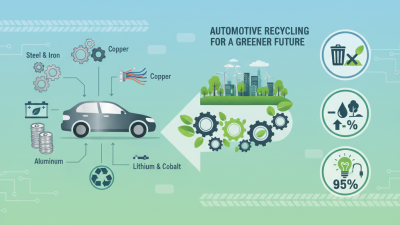
Resource recovery from end-of-life vehicles (ELVs) is a crucial aspect of auto recycling that significantly contributes to sustainable practices in the automotive industry. According to a report by the International Council on Clean Transportation, approximately 95% of a vehicle’s materials can be recycled, making it a valuable source of raw materials. Steel, aluminum, and plastic make up a large portion of a vehicle, and these materials can be recovered and repurposed with minimal environmental impact. This not only conserves natural resources, but it also lowers the energy consumption associated with the production of new materials.
Recycling vehicles also plays a significant role in reducing greenhouse gas emissions. The Automotive Recyclers Association states that recycling one ton of steel saves over 2,500 pounds of iron ore, 1,400 pounds of coal, and 120 pounds of limestone, illustrating the resource efficiency of automotive recycling. Additionally, by diverting vehicles from landfills and using their components to create new products, the industry helps minimize waste and promotes a circular economy. As governments and organizations push for more sustainable practices, the importance of maximizing materials from end-of-life vehicles becomes ever more prominent in mitigating environmental impacts.
Top 10 Benefits of Auto Recycling
Promoting Sustainability: A Circular Economy Approach to Auto Parts
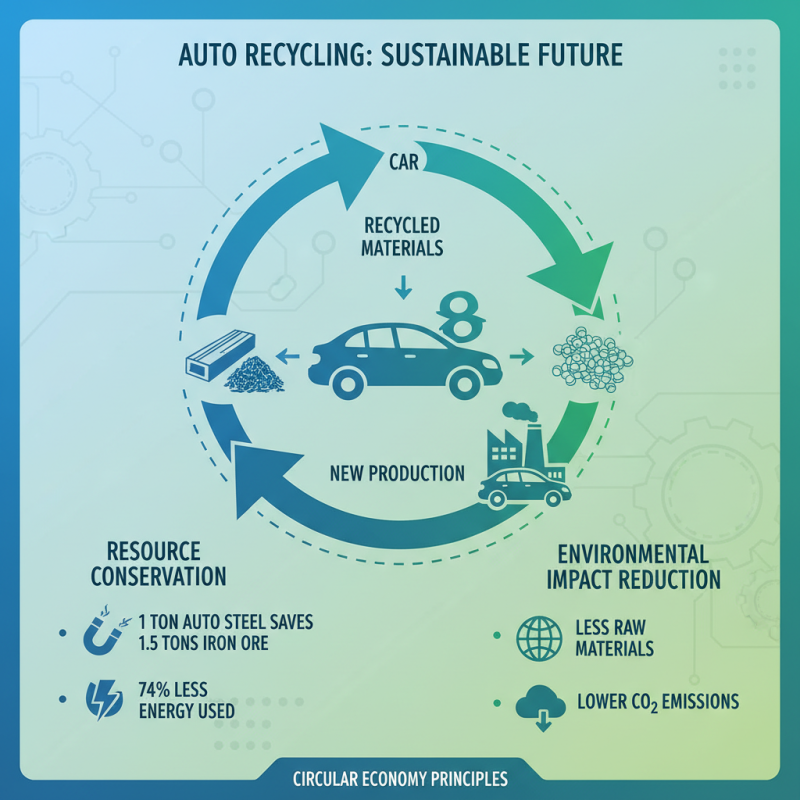
Auto recycling has become an invaluable component of a sustainable future, as it aligns with the principles of a circular economy. By reintroducing automobile components back into the manufacturing cycle, we drastically reduce the need for new raw materials. According to a report from the Bureau of International Recycling, recycling one ton of automotive steel saves approximately 1.5 tons of iron ore, significantly decreasing environmental impact. This not only conserves natural resources but also minimizes energy consumption—a critical aspect when considering that recycling often uses up to 74% less energy compared to new production.
Incorporating auto recycling into the economy does not merely reduce waste; it fosters innovation in the automotive industry. Companies are increasingly adopting practices that prioritize sustainability, thus creating products that are easier to disassemble and recycle at the end of their lifecycle. This transition supports local economies and creates jobs in the recycling sector. Tips for consumers include seeking out auto parts from recycling facilities when repairing or upgrading vehicles, which can save money and promote environmental stewardship.
Additionally, widespread participation in auto recycling initiatives can have a profound impact on greenhouse gas emissions—reducing them by up to 60% for certain materials. Individuals can help bolster these efforts by ensuring their vehicles are disposed of responsibly at designated recycling centers. This not only recycles existing materials but also prevents harmful substances from contaminating the environment, further cementing the concept of a sustainable circular economy in the automotive sector.