In an era where sustainable driving is crucial, the benefits of auto recycling parts are becoming more evident. According to the Automotive Recyclers Association, the recycling industry saves over 85 million barrels of oil annually. This remarkable statistic highlights the importance of reusing auto parts for environmental protection. With vehicles contributing significantly to waste, recycling parts alleviates this problem while promoting a circular economy.
Expert John Smith, a leader in the recycling sector, emphasizes, "Using auto recycling parts reduces landfill waste and supports sustainability." His insights showcase the potential for a greener future. Beyond simple waste reduction, auto recycling parts also lower manufacturing emissions, which is vital for combating climate change. Notably, sourcing recycled components can be as reliable as new ones, although quality concerns remain.
As the industry evolves, challenges persist. Quality control and ensuring uniformity in recycled parts are ongoing issues. Nonetheless, the focus on sustainable driving continues to strengthen. The future of auto recycling parts seems promising, yet diligent practices must be adopted for long-term success.

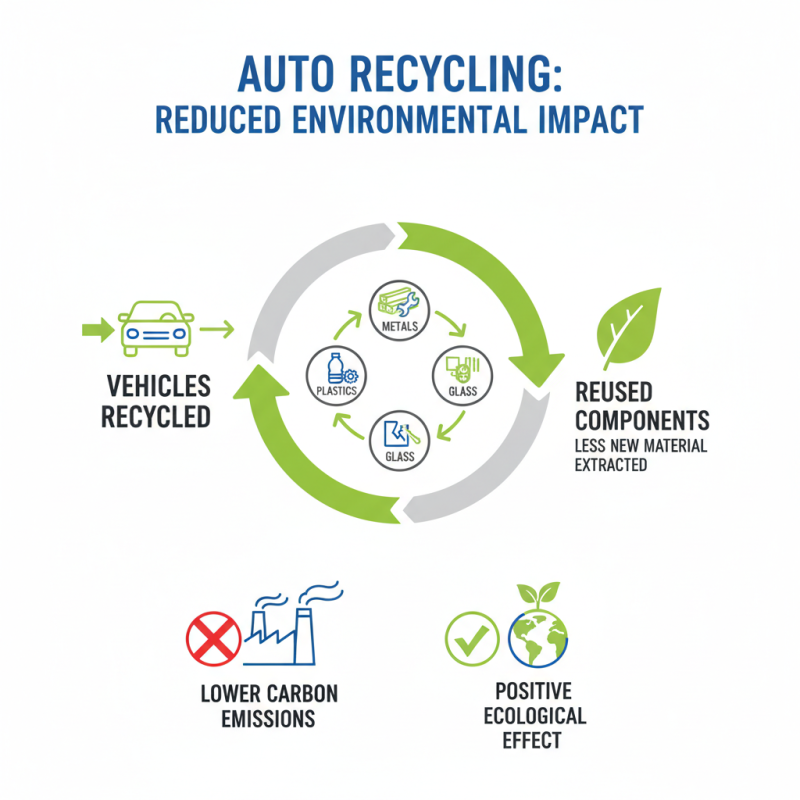
The process of auto recycling significantly reduces environmental impact. When vehicles are recycled, many components can be reused. This includes metals, plastics, and glass. Each part salvaged means less new material is extracted. New material extraction contributes to carbon emissions.
Recycling helps cut down waste. Landfills are filled with old car parts that release harmful substances. A properly recycled vehicle can reduce its carbon footprint substantially. It takes energy to produce new materials, which impacts the environment adversely.
There are challenges too. Not all parts are easy to recycle. Some require special treatment, which can be costly. The recycling industry needs more innovation. Without it, potential benefits might be lost. Despite hurdles, the importance of eco-friendly practices cannot be ignored. Embracing auto recycling is a step towards sustainable driving.

Using recycled auto parts can significantly reduce vehicle maintenance costs. For drivers on a budget, this is an attractive option. These parts usually cost less than new ones. This can lead to substantial savings over time. Affordable repairs make car ownership more accessible.
In addition to saving money, using recycled parts helps the environment. Fewer new parts need to be manufactured. This reduces resource consumption and pollution. However, some people worry about quality. Not all recycled parts are equal. It's vital to research and choose reputable sources. Quality assurance must not be overlooked.
The potential drawbacks should not deter eco-conscious drivers. Just like any other industry, auto recycling has room for improvement. Understanding the risks can lead to smarter choices. Eco-friendly alternatives are emerging, making sustainable driving more achievable. Balancing savings and quality is key.
The auto recycling industry plays a crucial role in promoting sustainability. In 2021, the recycling rate for automotive parts reached 95%, according to industry reports. This means that a significant portion of each vehicle's components is recovered and reused. Metal, plastics, and rubber are often reclaimed. For example, one car yields around 1.5 tons of steel. This steel can be reused, reducing the need for new mining operations.
Despite these promising statistics, there are still challenges. Not all vehicles are recycled properly. Industry estimates suggest that roughly 25 million cars are off the roads each year, yet only about 12 million undergo recycling. This gap highlights an area for improvement. Increased awareness and better processes could elevate these numbers further.
Sustainable driving involves more than just fuel efficiency. Effective recycling contributes to reduced greenhouse gas emissions as well. By recycling a single ton of steel, approximately 1.5 tons of carbon dioxide emissions are avoided. This impact is vital in addressing climate change. As the industry evolves, focusing on education and methods may enhance the benefits of auto recycling for future generations.
| Category | Recycling Rate (%) | Environmental Impact (Metric Tons Saved) | Economic Benefit ($) |
|---|---|---|---|
| Metals | 95 | 11,000,000 | 1,200,000,000 |
| Plastics | 30 | 2,500,000 | 250,000,000 |
| Rubber | 50 | 1,800,000 | 150,000,000 |
| Glass | 75 | 3,200,000 | 200,000,000 |
| Batteries | 98 | 500,000 | 50,000,000 |
When considering auto repair, a comparative analysis between new parts and recycled parts reveals some intriguing insights. New parts often promise optimal performance and enhanced longevity. However, they come at a significant financial cost. For many car owners, especially those on a budget, recycled parts provide an appealing alternative. They are often much cheaper and still maintain a level of quality that can be quite satisfactory for various repairs.
Using recycled parts does come with its own set of challenges. Sourcing can be hit or miss. Not all recycled components are created equal, and some may show signs of wear. This creates a dilemma for mechanics and consumers alike. Evaluating the condition of used parts requires diligence and knowledge. Additionally, the availability of certain parts can be limited, which adds another layer of complexity to the decision-making process.
In terms of sustainability, recycled parts contribute positively by reducing waste and lowering the carbon footprint. Supporting the recycling industry fosters environmental responsibility. Yet, some car owners remain hesitant due to concerns about performance and reliability. It's important to weigh these factors carefully. Embracing recycled parts could lead to more sustainable driving, but it requires careful consideration and, at times, a leap of faith.
The automotive industry is evolving. Auto recycling is at the forefront of this change. It plays a vital role in sustainable driving. By reusing parts, we can significantly reduce waste. According to the Automotive Parts Remanufacturers Association, recycled auto parts can save up to 80% of the energy used to create new parts. This is a substantial contribution to reducing the carbon footprint.
Innovative trends in recycling are emerging. Technologies now allow for better extraction and sorting of components. For instance, advancements in artificial intelligence have improved the efficiency of dismantling vehicles. Studies show that cars have 20,000 parts, and around 75% of those can be recycled. This presents a remarkable opportunity. However, the industry still faces challenges. Many consumers remain unaware of the benefits. This lack of knowledge may hinder the growth of the auto recycling market.
The environmental impact is undeniable. Recycling can minimize the demand for raw materials. Yet, there is room for improvement. Quality control in recycled parts must be robust. Some recycled components may not meet original standards. Awareness campaigns are essential to educate drivers. Diverse initiatives can promote a more sustainable mindset. The innovative potential in auto recycling is vast, but the execution must be flawless for lasting impact.
Logel’s Auto Parts
116 Bridge St East
Kitchener, Ontario
N2K 1J6
Phone: 519-745-4751
Toll Free: 1-800-818-9118
Hours 8:00-5:00 Monday to Friday
At Logel’s Auto Parts, we serve a range of communities in Southern Ontario, including:
Sign up today for the latest updates from the Logel’s Auto Parts team, including pricing for scrap vehicles, our newest product lines, current operating hours, and much more.