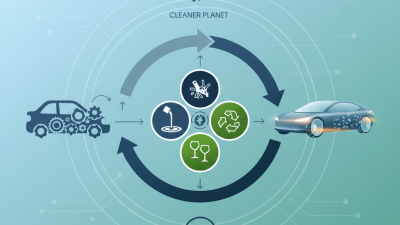
In an era where environmental sustainability is paramount, automotive recycling emerges as a critical practice for reducing waste and conserving resources. According to the Environmental Protection Agency (EPA), the automotive sector generates millions of tons of recyclable materials each year, with nearly 95% of end-of-life vehicles being recoverable. This statistic underscores the importance of automotive recycling as a viable solution to mitigate the environmental impact of the growing number of vehicles reaching their disposal phase.
Automotive recycling not only prevents harmful materials from ending up in landfills but also plays a significant role in the circular economy. The Automotive Recyclers Association reports that recycling a single vehicle can save over 2,500 pounds of iron ore, coal, and limestone. Furthermore, recycling operations help conserve energy—recycling aluminum, for instance, requires 95% less energy than producing new aluminum from raw materials. As vehicle technology evolves and electric vehicles become more prevalent, the need for efficient recycling practices will become even more critical to ensure that valuable materials, including lithium and cobalt from batteries, are reused effectively.
Adopting best practices in automotive recycling not only benefits the environment but also enhances the economic viability of the recycling industry. As consumers and businesses alike shift towards more sustainable practices, understanding and implementing these recycling tips can pave the way for a greener future.
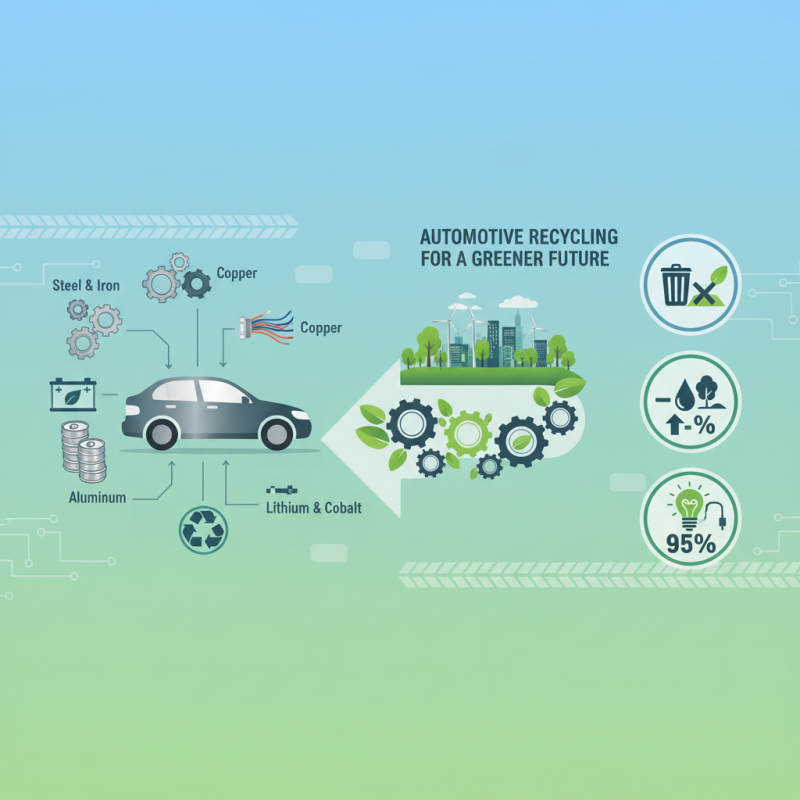
Automotive recycling plays a crucial role in promoting environmental sustainability and reducing waste. As cars reach the end of their life cycles, countless materials can be salvaged and repurposed, significantly decreasing the need for new raw materials. This process not only conserves resources such as steel, aluminum, and plastics but also minimizes energy consumption and greenhouse gas emissions associated with manufacturing new components. By understanding the importance of automotive recycling, individuals can contribute to a more sustainable future, ensuring that valuable materials are reused rather than ending up in landfills.
The benefits of automotive recycling extend beyond environmental protection; it also has significant economic implications. Recycling salvaged parts can provide affordable options for repairs, making car maintenance more accessible for individuals. Furthermore, the automotive recycling industry creates jobs and supports local economies. By embracing automotive recycling practices, consumers can play an active role in shaping a greener future while reaping economic advantages. Understanding these key aspects of automotive recycling reinforces the need for collective action in transitioning towards more sustainable lifestyles and preserving the planet for future generations.
Automotive recycling plays a vital role in promoting sustainability and reducing the environmental impact of vehicle production and disposal. Many key materials from vehicles are ideal for recycling, contributing to a circular economy. For instance, steel is one of the most recycled materials in the automotive industry. According to the World Steel Association, about 85 million tons of steel are recycled from end-of-life vehicles globally each year, significantly reducing the need for new steel production, which is energy-intensive and generates high carbon emissions.
Aluminum is another critical material that is highly recyclable. The Aluminum Association reported that recycling aluminum saves up to 95% of the energy required to create new aluminum from bauxite ore. In the automotive sector, many vehicles utilize aluminum for components such as engines and body panels due to its lightweight properties, which enhance fuel efficiency. Furthermore, approximately 75% of all aluminum produced is still in use today, demonstrating the material's longevity and recyclability.
Plastics also play an essential role in automotive recycling. According to a report by the European Commission, around 30% of a vehicle's weight can be attributed to plastic materials. Recycling these plastics can significantly reduce environmental pollution and conserve resources. By 2025, it is projected that automotive plastic recycling rates could reach 50%, underlining the industry's potential to adapt and embrace sustainable practices. These statistics highlight the importance of recycling materials such as steel, aluminum, and plastics in the automotive industry, paving the way for a greener future.
| Tip Number | Recycling Tip | Key Material | Environmental Benefit |
|---|---|---|---|
| 1 | Remove fluids before recycling | Oil, Coolant | Prevents soil and water contamination |
| 2 | Recycle batteries properly | Lead Acid, Lithium-ion | Reduces hazardous waste |
| 3 | Utilize scrap metal facilities | Steel, Aluminum | Conserves natural resources |
| 4 | Salvage reusable parts | Engines, Transmissions | Reduces demand for new parts |
| 5 | Properly dispose of tires | Used Tires | Prevents landfill overflow |
| 6 | Reprocess old vehicles | Dismantled Vehicles | Promotes materials recovery |
| 7 | Use eco-friendly products in repairs | Biodegradable Cleaners | Reduces toxic emissions |
| 8 | Engage in local recycling programs | Various Materials | Supports community effort |
| 9 | Educate others about recycling | Knowledge Sharing | Fosters sustainable practices |
| 10 | Advocate for stricter recycling laws | Policy Support | Improves environmental protection |
Recycling your old vehicle not only helps reduce waste but also contributes significantly to a greener environment. In fact, the automotive recycling industry recycles approximately 95% of the vehicles that reach the end of their life cycle, according to the Automotive Recyclers Association. This step-by-step guide will help you navigate the process of recycling your vehicle effectively.
First, start by removing personal items and valuable components from your vehicle. Privacy should be your top priority—don’t forget to check beneath the seats and in the glove compartment. Next, contact a certified recycling facility. It's critical to ensure that the facility adheres to environmental laws and can handle hazardous materials properly. According to a report by the U.S. Environmental Protection Agency, recycling vehicles can save the energy equivalent of about 1.4 billion gallons of gasoline each year, which underscores the importance of choosing the right facility.
Once your vehicle arrives at the facility, it will undergo a systematic dismantling process. Parts such as batteries, tires, and fluids will be removed and disposed of appropriately. Reusable components are either refurbished or sold in the aftermarket, further promoting sustainability. In fact, the recycling of metal from vehicles accounts for approximately 75 million tons of steel each year, highlighting the vital role of automotive recycling in resource conservation. By following these steps, you can play a significant role in promoting a sustainable future while ensuring that your old vehicle is recycled responsibly.
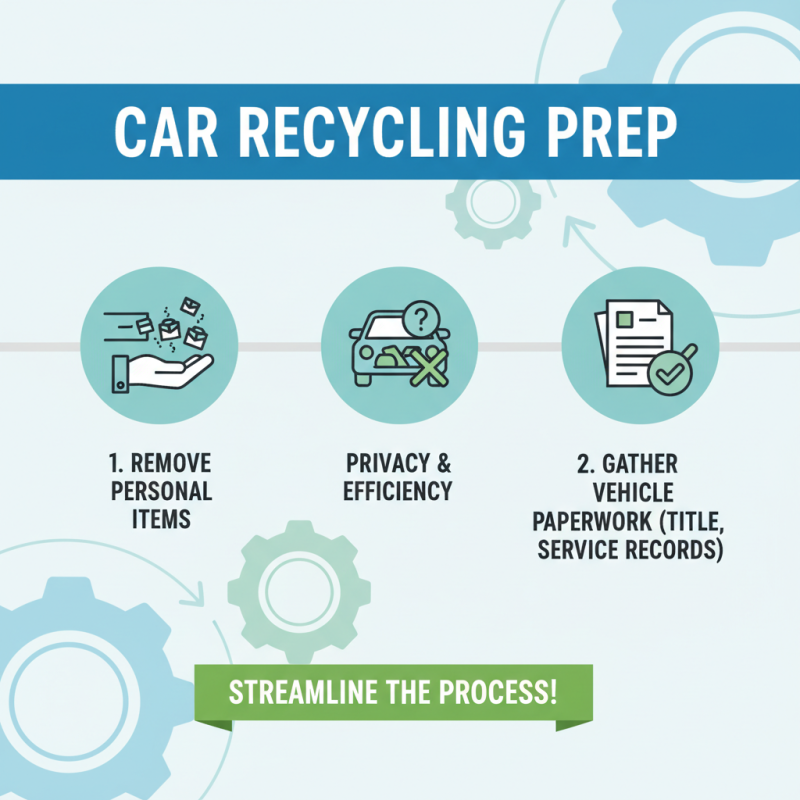
When preparing your car for effective recycling, the first step is to ensure that all personal belongings are removed from the vehicle. This includes any items from the glove compartment, trunk, and under the seats. Personal items not only need to be cleared for your privacy but also to help the recycling facility process the vehicle more efficiently. Additionally, it’s important to gather and retain any paperwork associated with your vehicle, such as the title and service records, as this can streamline the recycling process.
Next, you should consider draining all fluids from the car before recycling. This includes oil, coolant, and gasoline, as these substances can be harmful to the environment if left in the vehicle. Proper disposal of these fluids is crucial; many recycling centers provide services for this purpose. Furthermore, removing batteries and tires is essential, as they require special handling and disposal methods due to their environmental impact. By following these preparation tips, you not only facilitate the recycling process but also contribute to a healthier planet.
When it comes to automotive recycling, finding reliable facilities in your area is crucial for ensuring that your vehicle is disposed of in an environmentally responsible manner. Start your search by looking for certified recycling centers that adhere to local regulations and guidelines. These facilities typically have proper licenses and follow safe practices to minimize environmental impact. Online directories and local community boards can be excellent resources for identifying such centers, as they often provide reviews and ratings from previous customers, helping you gauge the facility’s reputation.
Additionally, consider reaching out to your local government or environmental organizations, as they may have recommendations for reputable recycling facilities. Networking within your community can also provide leads on trusted recyclers who prioritize sustainability. When visiting these facilities, ensure that they use eco-friendly methods for dismantling and recycling vehicles, including safe fluid disposal and part reusability. By choosing a reliable automotive recycling location, you contribute to a greener future and help reduce the environmental footprint of discarded vehicles.
Logel’s Auto Parts
116 Bridge St East
Kitchener, Ontario
N2K 1J6
Phone: 519-745-4751
Toll Free: 1-800-818-9118
Hours 8:00-5:00 Monday to Friday
At Logel’s Auto Parts, we serve a range of communities in Southern Ontario, including:
Sign up today for the latest updates from the Logel’s Auto Parts team, including pricing for scrap vehicles, our newest product lines, current operating hours, and much more.