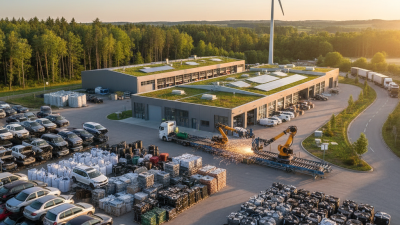
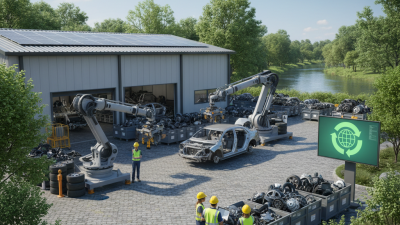
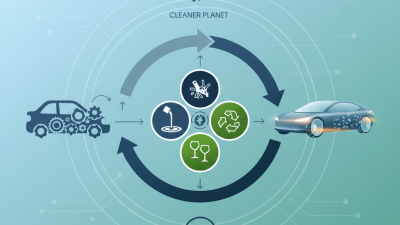
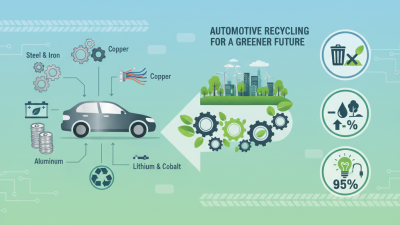
Auto recycling is a vital process that helps our environment. It involves the dismantling of old vehicles to reclaim useful materials. This practice minimizes waste and promotes sustainability. Every year, millions of cars are discarded. Auto recycling offers a solution to this problem. Old vehicles can pollute landfills and release harmful substances. By recycling, we can reduce these risks significantly.
Recycling metals, plastics, and rubber from vehicles conserves natural resources. For instance, recycling one car can save 2,500 pounds of iron ore and 1,400 pounds of coal. These figures highlight the importance of auto recycling in resource management. However, there are challenges. Not all parts of a vehicle are easy to recycle. Some materials still end up in landfills despite efforts. This reality calls for better methods and awareness in auto recycling practices.
In essence, auto recycling has the potential to make a significant impact. It helps lessen our carbon footprint and promotes a greener planet. Yet, as we embrace this idea, there remains room for improvement. More effective techniques are needed to tackle recycling obstacles and ensure no useful materials are wasted. Embracing auto recycling means paving the way for a healthier environment.
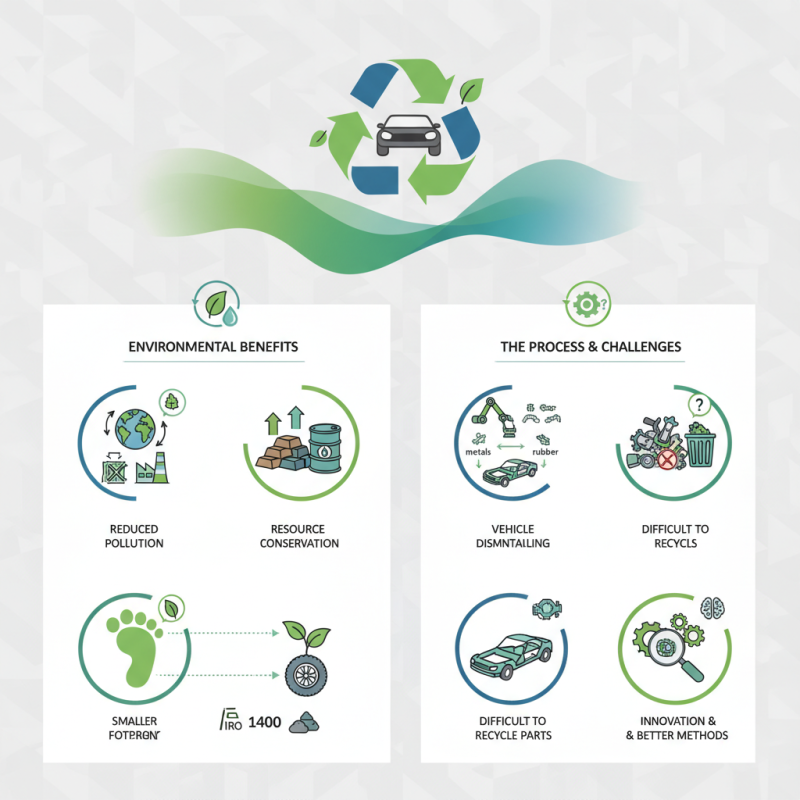
Auto recycling refers to the process of dismantling vehicles for parts and materials. This is essential for reducing waste in landfills. According to the Automotive Recyclers Association, about 27 million vehicles reach the end of their life each year in the U.S. Only 12 million are recycled properly. The rest may end up in junkyards, causing environmental issues.
The process of auto recycling involves several steps. First, vehicles are drained of fluids like oil and gasoline. This minimizes harmful leaks that could contaminate soil and water. Next, reusable parts are removed and sold. Metals such as steel are then shredded. A study by the Institute of Scrap Recycling Industries reports that recycling steel saves 74% of energy compared to new production. Yet, not all vehicles are recycled efficiently. Some recyclable materials end up in the waste stream, highlighting areas for improvement.
Environmental benefits are significant. Recycling prevents valuable materials from going to waste. It conserves natural resources, reducing the need for new mining. This process also cuts greenhouse gas emissions. For instance, salvaging one ton of steel can save over 2,500 pounds of iron ore. There's still much progress to be made in the industry. More awareness and improved practices are needed to enhance the auto recycling process effectively.
Auto recycling plays a crucial role in reducing waste and minimizing environmental impact. Each year, millions of vehicles reach the end of their service life. These vehicles can release hazardous materials if not disposed of properly. Recycling helps mitigate this risk. According to the Automotive Recyclers Association, recycling one vehicle saves 2,500 pounds of iron ore, 1,000 pounds of coal, and 120 pounds of limestone. These numbers highlight the resource savings generated by recycling.
Moreover, auto recycling significantly conserves energy. The Institute of Scrap Recycling Industries reports that recycling metals requires 74% less energy compared to producing new metals from raw materials. This energy conservation translates to lower greenhouse gas emissions. Each ton of recycled steel reduces CO2 emissions by over 1.5 tons. However, not all scrap is recycled efficiently. Improper dismantling can lead to contamination and wasted resources.
Another concern is e-waste from vehicle components. Many older cars contain substances that can harm the environment. For instance, batteries and electronics are often not recycled properly. This oversight can result in lead or acid leakage, causing soil and water contamination. There’s room for improvement in educating consumer behaviors on responsible disposal and recycling practices. Addressing these issues is key to enhancing the environmental benefits of auto recycling.
Auto recycling is not just about saving space. It also presents significant economic advantages. When vehicles are recycled, valuable materials are recovered. Metals, plastics, and glass can be reused. This process reduces the need for new raw materials. It ultimately cuts down production costs. More recycled materials in the market can stabilize prices.
The job market also benefits from auto recycling. This industry provides thousands of jobs. These roles range from dismantling vehicles to processing materials. Increased recycling means more employment opportunities. Local economies can thrive with a steady demand for these jobs. However, it is essential to ensure that workers are well-trained and valued.
Tips: Consider supporting businesses that prioritize recycling. You can reduce your carbon footprint. It helps to encourage more efficient recycling practices in your community. Get involved in local programs that promote auto recycling. Spreading awareness is crucial for environmental improvement. Stay informed about sustainable practices and their benefits. In doing so, every small effort counts towards a healthier planet.
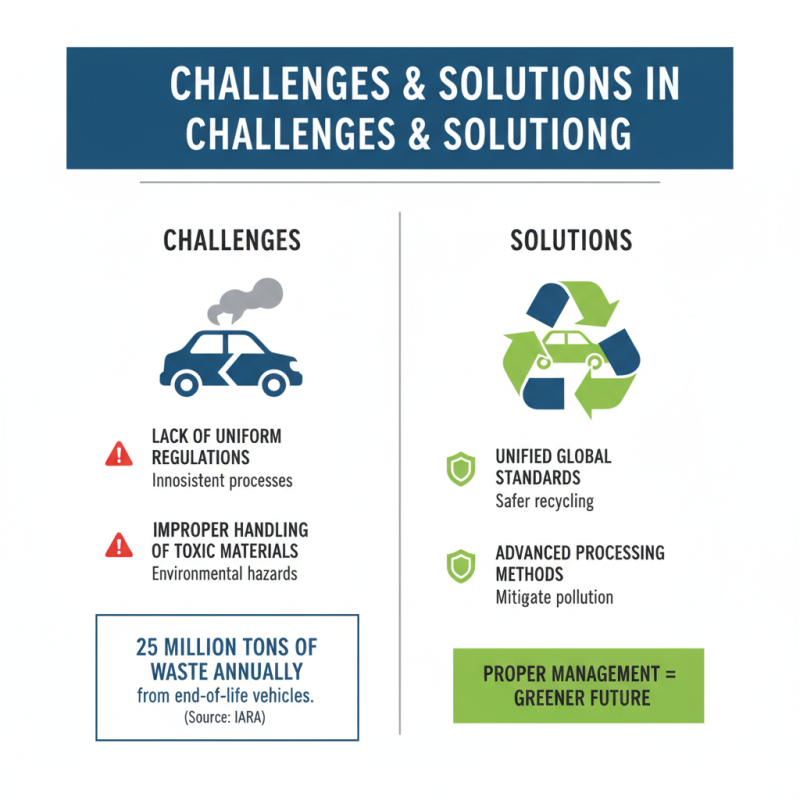
The auto recycling industry faces numerous challenges despite its potential benefits for the environment. One major challenge is the lack of uniform regulations across different regions. This inconsistency can lead to improper recycling processes, resulting in toxic materials not being handled correctly. According to the International Automobile Recycling Association, around 25 million tons of waste are generated annually from end-of-life vehicles. Proper management is crucial to mitigate environmental hazards.
Another issue is the gap in technology and innovation. Many recycling facilities still rely on outdated methods. These methods are less efficient and can be environmentally harmful. A study by the World Economic Forum highlights that investing in advanced recycling technologies could improve material recovery rates significantly. However, access to funding for innovation remains limited.
Tips: Consider participating in local recycling programs. These initiatives often have guidelines for responsible disposal. Also, educating yourself on proper recycling practices can contribute to a healthier environment. Small steps can lead to big impacts.
Auto recycling is rapidly evolving. New technologies emerge to enhance efficiency. Advanced machinery can now dismantle vehicles faster than ever. Automation increases safety and reduces environmental hazards. Yet, many processes still lack optimization. There’s room for improvement in how materials are sorted and repurposed.
Future trends focus on sustainability. Innovative practices aim to minimize waste and maximize resource recovery. For example, bioplastics could replace traditional materials in vehicle manufacturing. This shift benefits both recycling processes and the environment. Partnerships between industries encourage the development of greener methods.
It is essential to address challenges in auto recycling. Many facilities struggle with outdated equipment. This creates bottlenecks in the recycling process. Investing in new technologies requires significant resources, often overlooked. Awareness and education surrounding these issues can drive change. Without action, the environmental benefits of auto recycling may fall short of their potential.
| Aspect | Details |
|---|---|
| Definition | The process of dismantling and recycling components of end-of-life vehicles. |
| Environmental Impact | Reduces waste in landfills and conserves natural resources. |
| Materials Recycled | Metals, plastics, and glass from vehicles are processed and reused. |
| Energy Savings | Recycling metals saves up to 95% of the energy required for new metal production. |
| Future Trends | Increased automation and advanced sorting technologies to improve efficiency. |
| Economic Benefits | Creates jobs and stimulates the economy through recycling operations. |
Logel’s Auto Parts
116 Bridge St East
Kitchener, Ontario
N2K 1J6
Phone: 519-745-4751
Toll Free: 1-800-818-9118
Hours 8:00-5:00 Monday to Friday
At Logel’s Auto Parts, we serve a range of communities in Southern Ontario, including:
Sign up today for the latest updates from the Logel’s Auto Parts team, including pricing for scrap vehicles, our newest product lines, current operating hours, and much more.