2026 Top Wheel Bearing Trends and Insights for Global Buyers?

The Wheel Bearing industry is evolving rapidly as we approach 2026. Experts in the field are keenly observing trends that influence global buyers. John Smith, a renowned wheel bearing specialist, stated, "Innovation in wheel bearing technology is essential for advancing vehicle performance." This insight highlights the importance of understanding current and future trends.

Manufacturers are focusing on precision engineering and advanced materials. These materials enhance durability and reduce friction. However, some challenges persist. Buyers may struggle to keep up with the fast-paced innovations and changing standards. The global market is increasingly competitive, prompting a need for awareness and adaptability.

Moreover, sustainability is becoming a critical factor. Could buyers overlook suppliers who don't prioritize eco-friendly practices? As consumers demand greener products, the wheel bearing sector must adapt. In this dynamic landscape, staying informed is key. Buyers should seek expertise and guidance to navigate the complexities of wheel bearing purchases effectively.
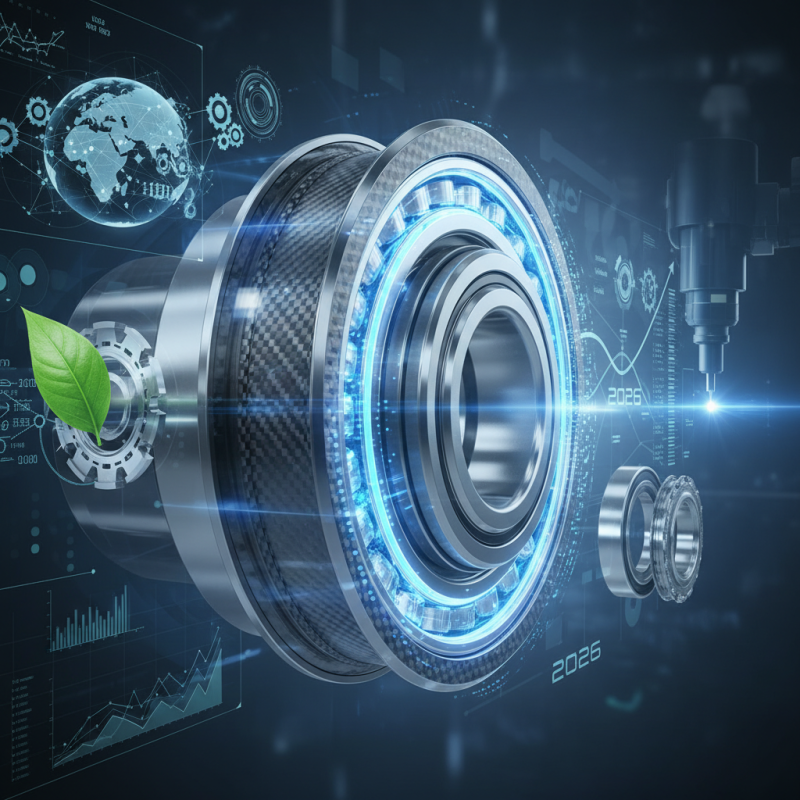
2026 Top Wheel Bearing Trends and Insights for Global Buyers?

Emerging Technologies in Wheel Bearing Manufacturing for 2026

The wheel bearing manufacturing landscape is evolving with emerging technologies. A recent report highlighted a shift towards the use of advanced materials like reinforced polymers. These materials can absorb vibrations better than traditional metals. This transition could improve vehicle comfort and safety.

Moreover, automation plays a significant role in production. The adoption of robotics has increased efficiency by 30% in some facilities. However, this rapid advancement raises questions about workforce displacement. How will companies balance technology and human resources?

Data from industry analysts show an anticipated rise in smart wheel bearings by 2026. These bearings will feature sensors that monitor wear and tear in real-time. While this innovation promises better maintenance schedules, it also introduces complexity in repairs. Technicians may need additional training to manage these smart components. It’s a double-edged sword for manufacturers and mechanics alike.


2026 Wheel Bearing Market Trends

This chart represents the projected market share percentages of various wheel bearing trends for 2026. The insights highlight the significance of OEM production and the growing influence of electric vehicle integration in the market. Sustainability initiatives are also becoming a focus for manufacturers, while smart technology adoption shows emerging potential in the industry.

Key Market Trends Shaping the Future of Wheel Bearings

The wheel bearing market is undergoing significant transformation, driven by advancements in technology and changing consumer preferences. According to a recent market analysis, the global wheel bearing market is projected to reach USD 18.9 billion by 2026, growing at a CAGR of 5.2%. This growth is largely attributed to the increasing demand for electric vehicles (EVs) and enhanced safety features in automobiles.

Recent trends reveal a shift towards lightweight and high-performance materials. Manufacturers are investing in hybrid ceramic bearings. These can reduce wear and friction, thus extending the lifespan of wheel bearings by up to 30%. Additionally, the integration of IoT in bearings is expected to enable real-time monitoring of bearing condition. This can significantly reduce maintenance costs and improve vehicle safety.

Despite these advancements, the industry faces challenges. The growing complexity of vehicles means that wheel bearings must meet stricter regulations. Additionally, supply chain disruptions can impact the availability of raw materials. For global buyers, understanding these dynamics is crucial. It allows them to align their procurement strategies with emerging trends and technological developments in the wheel bearing market.

Sustainability Initiatives in the Wheel Bearing Industry

Sustainability is becoming a key focus for the wheel bearing industry. Global buyers are increasingly demanding eco-friendly components. According to a report by Market Research Future, sustainability initiatives can drive market growth by 15% annually. The push for greener solutions is reshaping manufacturing processes and materials.

Recycled materials are now being integrated into wheel bearing production. This shift reduces waste and conserves natural resources. Industry statistics show that using recycled metals can lower carbon emissions by up to 30%. However, challenges remain. Many manufacturers still rely on traditional materials, which can hinder progress.

Moreover, compliance with environmental regulations is imperative. The European Union’s Green Deal mandates stricter emissions standards for automotive components. Failure to meet these standards may result in fines. Buyers must stay informed about these regulations to ensure compliance. Collaboration between manufacturers and buyers will be crucial for achieving sustainability goals.

Consumer Preferences and Demands Affecting Wheel Bearing Design

The wheel bearing market is evolving rapidly. Buyers are paying closer attention to consumer preferences and demands. Recent studies indicate that nearly 75% of consumers prefer durable products. This trend shapes the design of wheel bearings. Manufacturers are investing in materials that enhance longevity and performance.

Flexibility in design is another priority. Reports show that 65% of buyers are looking for custom solutions. They want products that meet specific vehicle requirements. This demand pushes suppliers to innovate, increasing production costs. However, the market responds with better-engineered solutions.

Environmental concerns also affect design trends. A survey revealed that 55% of consumers prioritize eco-friendly materials. Amid this, manufacturers are challenged to balance performance with sustainability. Developing products that align with consumer values is crucial. Ultimately, these trends highlight the need for responsiveness in the wheel bearing industry.

2026 Top Wheel Bearing Trends and Insights for Global Buyers

Trend Consumer Preference Demand Factors Impact on Design Projected Growth (%)
Lightweight Materials High Fuel efficiency, eco-friendliness Use of advanced composites 15%
Smart Technology Integration Medium Increased automation, connectivity Sensors for performance tracking 20%
Durability Enhancements High Consumer safety, longevity Advanced surface treatments 10%
Sustainability Practices Medium Regulatory changes, eco-conscious consumers Recyclable materials 12%
Cost Reduction Techniques High Economic fluctuations Efficient manufacturing processes 18%

Regional Insights: Wheel Bearing Market Dynamics by Geography

The wheel bearing market is largely influenced by regional dynamics. North America shows a strong demand driven by the automotive industry. This region focuses on innovations that enhance performance and reduce maintenance costs. Manufacturers are investing heavily in research and development to meet these needs. This results in products that promise longer lifespans and better efficiency.

In Europe, sustainability is a key factor. Manufacturers are increasingly prioritizing eco-friendly materials. Regulations push for lower emissions and greater energy efficiency in manufacturing processes. This shift is reshaping product development and influencing buyer preferences. In Asia-Pacific, the market is expanding rapidly. Rising vehicle production and increasing adoption of electric vehicles are significant drivers. However, challenges such as fluctuating raw material prices cause volatility.

Market dynamics vary greatly by geography. Buyers must navigate these differences to make informed decisions. Awareness of local trends and regulations can enhance strategic planning. Understanding regional preferences can be just as important as product quality.

Article Source:

Start typing and press Enter to search