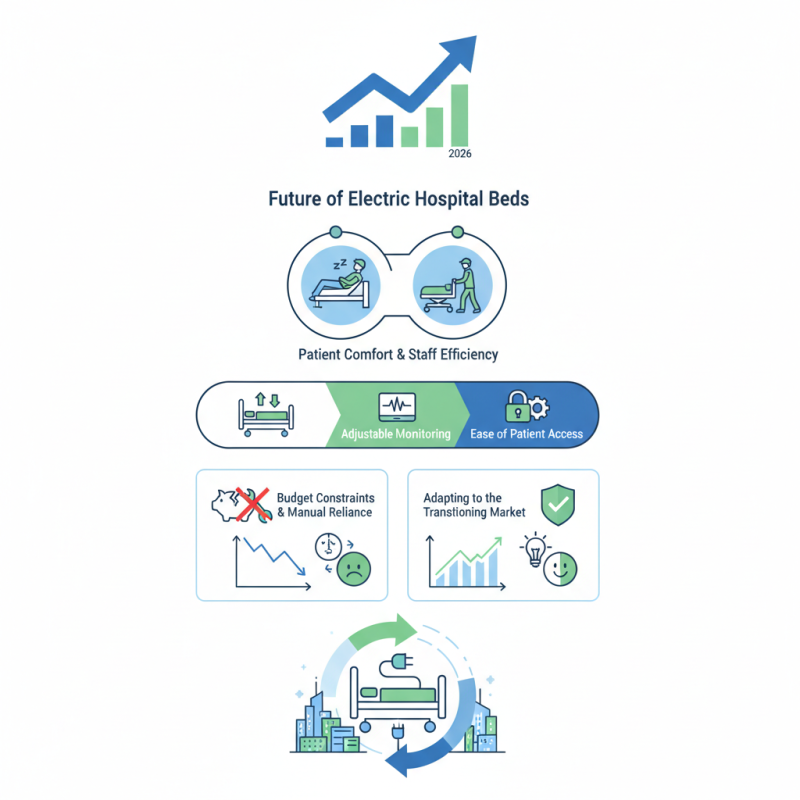
As the healthcare industry continues to evolve, the demand for electric hospital beds is on the rise. The global electric hospital beds market is projected to reach $4.5 billion by 2026, according to industry reports. electric hospital beds for sale are becoming essential for patient comfort and staff efficiency. Facilities are increasingly acknowledging the importance of these beds in improving patient care.
Some key features define the appeal of electric hospital beds. Many models offer adjustable heights, enabling easier patient access and reduced strain on healthcare workers. Advanced beds may include built-in monitoring systems to track patient health. However, choosing the right bed can be overwhelming, given the variety available. Facilities must consider budget, space, and specific patient needs.
Despite the advancements, challenges persist. Budget constraints often limit access to high-quality beds. Some hospitals still rely on manual alternatives. This reliance can hinder patient recovery and staff productivity. Therefore, adapting to the transitioning market is crucial for healthcare providers. electric hospital beds for sale play a vital role in shaping future healthcare environments.
The electric hospital bed industry is evolving rapidly. In 2026, innovations will enhance patient comfort and care. These beds now feature advanced positioning systems. Adjustments can be made with a simple button press. This is especially important for patients with mobility issues.
Market growth is projected to rise significantly. Factors like an aging population and increased hospitalizations drive this trend. However, there are challenges. Some hospitals struggle with budget constraints. This can slow down the adoption of new technologies. Ensuring quality while managing costs is crucial for many institutions.
Consumers are interested in smart features. Sensors that monitor health data are becoming commonplace. Automated adjustments based on patient needs can improve outcomes. Yet, there is a need for better user training. Staff must be educated on how to use these advanced systems effectively. Balancing innovation and practicality remains a key focus for the industry.

Electric hospital beds are transforming patient care. They offer various features focused on ergonomics and comfort. Adjustable heights make it easier for patients to get in and out of bed. This simple feature can prevent falls and enhance safety. Handheld controls allow patients to reposition themselves independently. This builds confidence and encourages mobility.
Ergonomics plays a vital role in the design of these beds. Many models come with memory foam mattresses. They help reduce pressure points and improve airflow, enhancing comfort. Side rails provide additional support, but they can feel restrictive. Some patients may prefer fewer constraints. Finding the right balance in design is essential for individual needs.
Comfort also includes aesthetics. Some beds appear bulky and clinical. This can affect the patient's emotional well-being. Soft colors and improved designs can help create a more inviting space. It’s a reminder to rethink the impact of hospital environments. Each element influences how patients feel, both mentally and physically.
Electric hospital beds are evolving rapidly, integrating smart technologies and IoT features. These innovations enhance patient care and streamline hospital operations. Imagine beds that automatically adjust their position based on patient comfort or health metrics. Sensors can monitor vital signs and send alerts to caregivers, improving response times.
Tip: When considering features, look for beds with easy-to-use control interfaces. Hospitals often struggle with user-friendly designs. Complex controls can frustrate both staff and patients. A simple, intuitive system is crucial.
Wireless connections are becoming standard in electric hospital beds. IoT integration allows for better data sharing. For instance, patient movement history can be tracked. However, security concerns arise with this connectivity. Data protection must be a priority to prevent breaches.
Tip: Ensure that the beds you consider comply with data protection standards. Security features are essential. Without them, the promise of technology can expose vulnerabilities. This is an area requiring continuous reflection.
The demand for electric hospital beds has surged significantly after the pandemic. Hospitals faced overwhelming pressure, requiring versatile and efficient solutions. Electric beds simplify patient care. They offer easy adjustments for both medical staff and patients. This trend continues to grow as hospitals recognize the benefits of these beds.
Post-pandemic, healthcare facilities prioritize patient comfort. Electric beds provide necessary support for recovery. Adjustable features promote better positioning, aiding in healing. However, some facilities struggle with budget constraints. Investing in quality beds is essential, yet challenging. Balancing cost with patient needs should be addressed.
Healthcare providers are exploring innovative designs. Features like built-in sensors and remote controls enhance usability. Patients appreciate these advancements. However, not all electric beds meet high standards. Some models may lack durability or functionality, requiring careful selection. Recognizing the best options is key to improving patient care.
The electric hospital bed market is evolving rapidly. Key manufacturers are focusing on user-friendly designs and advanced technology. Adjustable features provide comfort for patients and ease for caregivers. Ergonomics play a vital role in these innovations. Beds with weight sensors and remote controls are gaining popularity. These enhancements aim to improve overall patient care.
Market share analysis reveals a competitive landscape. Several companies vie for leadership, each bringing unique offerings. Some focus on affordability, while others prioritize cutting-edge features. Quality does vary among different options. Certain beds may lack durability. Users often report dissatisfaction with specific designs that fail under pressure. Feedback is essential for improvement.
Trends indicate a growing demand for smart beds. Integration with hospital management systems is becoming more common. However, not all hospitals have adopted these technologies. Some lack the budget or infrastructure for such investments. The divide between cutting-edge and traditional models is widening. Caregivers face challenges in adapting to rapid changes. Continuous evaluation of needs is essential for future progress.
| Feature | Trend 1 | Trend 2 | Trend 3 | Market Share (%) |
|---|---|---|---|---|
| Electric Adjustment | High Demand | Increased Automation | Remote Control Features | 30% |
| User-Friendly Interface | Touchscreen Controls | Voice Command Compatibility | Customizable Settings | 25% |
| Safety Features | Anti-Trapping Sensors | Emergency Power Backup | Stability Enhancements | 20% |
| Mobility Options | Height Adjustment | Wheeled Base Models | Compact Designs | 15% |
| Smart Technology Integration | Health Monitoring Systems | Data Connectivity | Integration with EMR | 10% |
Logel’s Auto Parts
116 Bridge St East
Kitchener, Ontario
N2K 1J6
Phone: 519-745-4751
Toll Free: 1-800-818-9118
Hours 8:00-5:00 Monday to Friday
At Logel’s Auto Parts, we serve a range of communities in Southern Ontario, including:
Sign up today for the latest updates from the Logel’s Auto Parts team, including pricing for scrap vehicles, our newest product lines, current operating hours, and much more.