2026 Top Trends in Automotive Recycling and Sustainable Practices

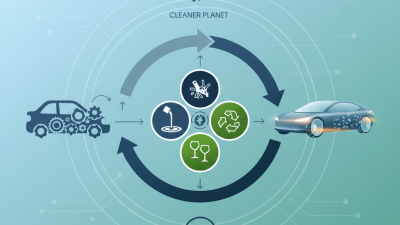
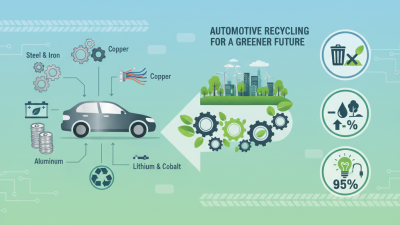
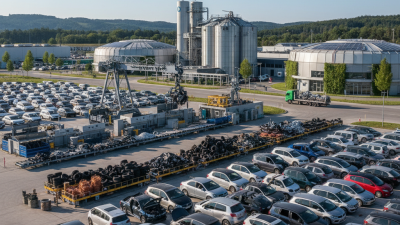
The automotive recycling industry is undergoing significant transformation. In 2026, key trends will shape sustainable practices and efficiency. According to recent data from the Bureau of International Recycling, approximately 27 million tons of vehicles are recycled annually worldwide. This represents a vital opportunity for reducing waste and promoting circular economy principles.

Automotive recycling not only recovers valuable materials but also minimizes environmental impact. However, challenges persist. Many facilities struggle to keep up with advancements in technology. The need for skilled labor is critical, yet often unmet. Innovations like automated dismantling systems can enhance efficiency, yet their high costs deter many recyclers.

Sustainability in automotive recycling requires a shift in mindset. It involves reassessing current practices and being open to evolving industry standards. In 2026, companies must adapt to these changes. Embracing new approaches will be essential for staying competitive and environmentally responsible. It's time to reflect on the balance between profit and planet.

2026 Top Trends in Automotive Recycling and Sustainable Practices

Emergence of Advanced Technologies in Automotive Recycling Practices

The automotive recycling sector is experiencing a significant transformation. Advanced technologies are reshaping practices and creating more sustainable methods. Automation in disassembly lines is one notable change. This improves efficiency and minimizes waste. Robots can now handle hazardous materials safely, reducing human exposure.

Artificial intelligence plays a key role too. AI algorithms help identify recyclable parts more effectively. They analyze vehicle materials, enhancing sorting processes. This increases the amount of material that can be repurposed. However, some challenges remain. Not every technology is accessible to small businesses. Larger companies often lead the way, while smaller recyclers struggle to keep pace.

Tips for maximizing recycling efforts:

  • Invest in training for staff on new technologies.
  • Regularly assess your processes for inefficiencies.
  • Adopt collaborative approaches to share resources and knowledge.
Embracing these practices can lead to significant improvements. Each step forward may not be perfect. Continuous learning and adaptation are essential in this fast-evolving field.

Circular Economy Principles in Automotive Parts Reuse and Remanufacturing

2026 Top Trends in Automotive Recycling and Sustainable Practices

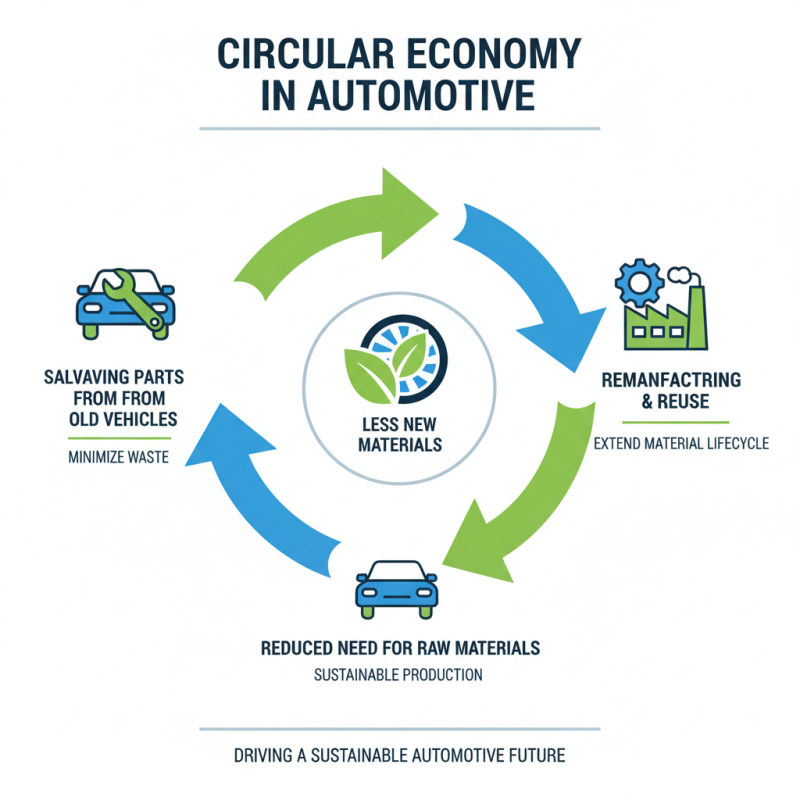
The automotive industry is undergoing significant changes as it embraces circular economy principles. This approach emphasizes the reuse and remanufacturing of automotive parts. It aims to minimize waste by keeping materials in use for as long as possible. By salvaging parts from old vehicles, we can reduce the need for new raw materials.

Many companies focus on remanufactured components. This not only saves resources but also offers cost savings for consumers. For instance, engines and transmissions can be rebuilt using parts sourced from end-of-life vehicles. However, there are challenges. The quality of recycled materials can vary, affecting the performance of remanufactured products. Ensuring stringent quality control is essential, yet it often falls short.

Improving public awareness is crucial in promoting automotive recycling. Many people remain unaware of the benefits of choosing recycled parts. Misconceptions about quality persist. These hurdles need addressing for the industry to fully embrace sustainable practices. Companies must communicate the value of these initiatives effectively.

Regulatory Developments Influencing Sustainable Automotive Recycling

Regulatory developments are crucial in shaping the landscape of sustainable automotive recycling. In recent years, many regions have enforced stricter regulations. The European Union’s End-of-Life Vehicle Directive mandates that 95% of a vehicle’s mass must be reused or recycled by 2025. This goal drives automakers to innovate and find greener solutions in their recycling processes.

A report from the Automotive Recyclers Association (ARA) highlights that nearly 25 million tons of metals are recovered from recycled vehicles annually. However, not all regions meet the regulatory standards. In some countries, the lack of enforcement leads to improper practices. Recent studies indicate that about 30% of potential recycling material goes unprocessed in certain areas. This inefficiency reflects a significant gap between regulations and actual practices.

Environmental concerns are rising as well. The automotive industry contributes to nearly 20% of global waste. Regulations are pushing for more accountability. The lifecycle of vehicles must be considered, from production to end-of-life. Better regulatory frameworks could lead to improved resource recovery. Yet, there still exists a disconnect between policy and implementation, demanding continued scrutiny and evolution of practices.

Consumer Awareness and Its Impact on Sustainable Automotive Practices

Consumer awareness is reshaping the automotive recycling landscape. Reports indicate that over 70% of consumers now consider the sustainability of their vehicles. Many prioritize eco-friendly practices when choosing cars. This shift in mindset influences manufacturers to adopt greener processes. For instance, a study found that companies with sustainable practices attract 60% more consumers.

Yet, there are gaps in consumer knowledge. Only 40% of car owners understand how to recycle their vehicles properly. Misconceptions about recycling processes persist. Many believe recycling is just about crushing cars. In actuality, it involves complex procedures. Non-recyclable materials can contaminate recycling efforts, complicating sustainability goals. Industry experts urge better education for consumers about effective recycling. This step is vital to enhance the automotive recycling sector.

Moreover, while awareness rises, action lags. Just 25% of consumers actively recycling their vehicles is concerning. More efforts should focus on engaging potential recyclers. Community programs can raise awareness about proper disposal methods. Engaging local organizations may facilitate knowledge sharing. The interaction between consumer awareness and sustainable practices needs improvement. Education paired with actionable insights can drive better outcomes.

2026 Top Trends in Automotive Recycling and Sustainable Practices

Trend Description Impact on Sustainability Consumer Awareness Level
Increased Use of Recycled Materials More automotive manufacturers are incorporating recycled materials in vehicle production. Reduces the demand for raw materials and lessens the environmental impact. High
Circular Economy Initiatives Automakers are adopting circular economy models to maximize resource use. Promotes sustainability by keeping materials in use longer. Medium
Consumer Recycling Programs Programs encouraging consumers to recycle end-of-life vehicles effectively. Decreases landfill waste and enhances resource recovery. High
Innovations in Dismantling Technology Advanced technologies are improving the efficiency of vehicle dismantling. Enhances recovery rates of valuable materials from vehicles. Medium
Regulatory Changes New regulations promoting sustainable practices in the automotive industry. Encourages companies to adopt greener practices. High

Innovative Materials and Their Role in Eco-Friendly Vehicle Design

The automotive industry is rapidly shifting toward eco-friendly designs. Innovative materials play a pivotal role in this transformation. For example, lightweight composites are now being integrated into vehicle bodies. These materials not only reduce weight but also improve fuel efficiency.

Recycling old vehicles presents challenges. Many components are still not recyclable, leading to waste. However, there are breakthroughs in using recycled plastics for interior parts. This shift helps mitigate the environmental impact of production. It raises questions about the durability and quality of recycled materials. Are they as reliable as new ones?

There’s also a move towards bio-based materials. These materials, derived from renewable resources, offer a sustainable alternative. Yet, the production process can be energy-intensive. This creates a dilemma about their overall sustainability. The journey toward effective eco-friendly vehicle design is just beginning.

2026 Top Trends in Automotive Recycling and Sustainable Practices

Start typing and press Enter to search