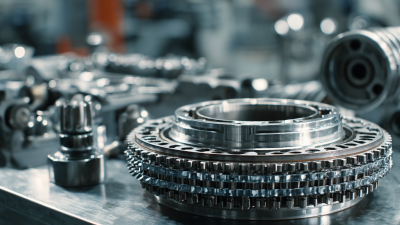
2025 Top Automotive Parts Trends Every Car Enthusiast Should Know

As the automotive industry continues to evolve, it's essential for car enthusiasts to stay informed about the latest trends in automotive parts. The year 2025 promises to bring significant innovations and developments that will not only enhance vehicle performance but also redefine the driving experience. From advanced materials to smart technologies, the landscape of automotive parts is transforming rapidly, making it crucial for enthusiasts to understand these trends.

2025 Top Automotive Parts Trends Every Car Enthusiast Should Know

In this exploration of the top automotive parts trends for 2025, we will delve into the shifts that are shaping the market. Whether it's the rise of electric vehicles, the integration of Internet of Things (IoT) features, or the growing emphasis on sustainability, each trend impacts how we view and interact with cars. These emerging changes are not just about aesthetics; they influence functionality, efficiency, and safety, making it vital for every car enthusiast to be well-versed in what’s on the horizon.

By keeping abreast of these trends in automotive parts, enthusiasts can better appreciate the future of their vehicles and make informed decisions, whether it's for performance upgrades, restorations, or simply understanding the ongoing changes in this dynamic industry. Buckle up as we navigate through the exciting innovations that will define the automotive parts landscape in 2025.

2025 Automotive Parts Innovations: Key Technologies to Watch
2025 Top Automotive Parts Trends Every Car Enthusiast Should Know

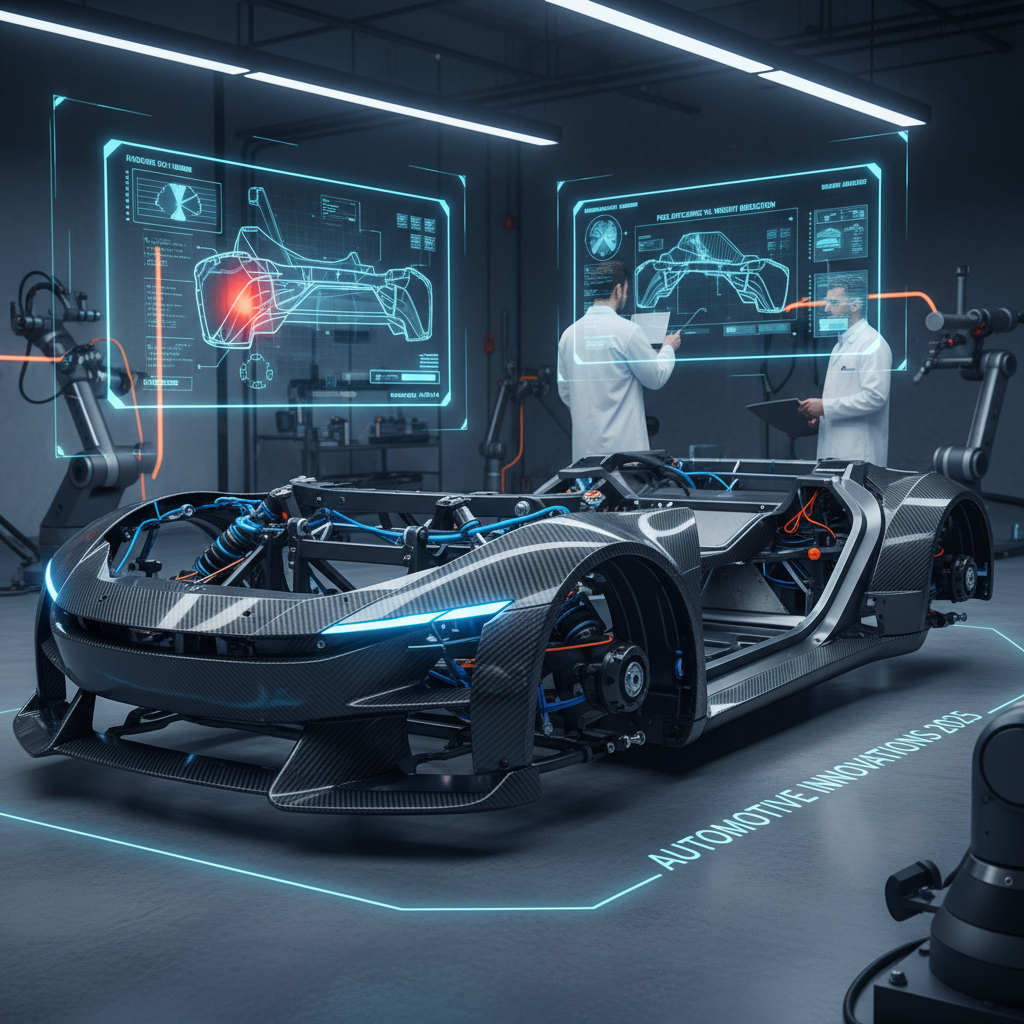
The automotive industry is on the brink of remarkable technological transformations in 2025, as innovations in automotive parts take center stage. One key area to watch is the rise of advanced materials, such as lightweight composites and high-strength steel. These materials not only enhance fuel efficiency by reducing vehicle weight but also improve safety features through stronger crash resistance. Manufacturers are increasingly adopting these materials to meet stringent environmental regulations while delivering performance enhancements that car enthusiasts crave.

Another significant trend is the integration of smart technologies into automotive parts. From sensors that monitor tire pressure and temperature to real-time data analytics that provide insights into vehicle performance, these innovations are set to redefine how we interact with our cars. Moreover, the advent of modular components allows for easier customization and replacement, enabling enthusiasts to tailor their vehicles to suit individual preferences. As these technologies evolve, they promise to create a more connected and efficient driving experience, making 2025 a pivotal year for car enthusiasts everywhere.

Sustainability in Auto Parts: Eco-Friendly Materials and Practices

The automotive industry is witnessing a significant shift towards sustainability, driven by the increasing demand for eco-friendly materials and practices. According to a report by Allied Market Research, the global green automotive market is expected to reach $1.5 trillion by 2025, reflecting a growing trend among consumers who prioritize environmentally sustainable products. Car manufacturers are increasingly adopting alternative materials such as recycled plastics, bamboo, and bio-based composites to reduce their carbon footprint and enhance vehicle recyclability.

Moreover, sustainability in auto parts is not just about materials; it's also about manufacturing practices. The implementation of circular economy principles is gaining traction, with companies like Ford and Volkswagen leading initiatives to reduce waste and reuse materials throughout the production process. The International Energy Agency (IEA) projects that sustainable automotive practices could reduce greenhouse gas emissions by up to 40% in the next decade.

As car enthusiasts, understanding these innovations can not only inform our choices but also inspire a shift toward more responsible consumption in the auto industry.

Smart Components: The Rise of IoT in Automotive Parts Design

The automotive industry is experiencing a significant transformation with the integration of the Internet of Things (IoT) into parts design. Smart components are becoming essential as manufacturers strive to enhance vehicle performance and safety. By embedding sensors, actuators, and communication technologies into automotive parts, engineers can create systems that not only monitor real-time data but also allow for predictive maintenance. This shift towards smarter components enables vehicles to communicate with each other and with infrastructure, paving the way for advancements such as autonomous driving.

Moreover, the rise of IoT in automotive parts design fosters a more personalized driving experience. Vehicle owners can benefit from features such as remote diagnostics, allowing them to address issues before they escalate. As smart components gather and process data, they open up new possibilities for customization, enabling features that adapt to users’ driving habits and preferences. Consequently, the integration of IoT into automotive parts not only streamlines maintenance and management but also emphasizes a future where vehicles are more responsive, efficient, and aligned with the needs of their drivers.

2025 Top Automotive Parts Trends: The Rise of IoT in Automotive Parts Design

This chart illustrates the projected growth in the adoption of smart components in automotive parts design from 2023 to 2025. The trends reflect the increasing integration of Internet of Things (IoT) technology in various automotive parts, highlighting the shift towards smarter, more connected vehicles.

Customization Trends: How Personalization is Shaping Parts Market

The automotive aftermarket is undergoing a significant transformation driven by customization and personalization trends. As car enthusiasts seek unique experiences and individuality in their vehicles, the demand for bespoke automotive parts is on the rise. This shift towards personalization is not merely about aesthetics; it encompasses performance enhancements and tech integrations that cater to individual preferences. Car owners are now investing more in parts that reflect their personal style and meet specific driving needs, creating a dynamic marketplace for innovative solutions.

In the coming years, the global automotive aftermarket is projected to expand from $443.12 billion in 2025 to $565.73 billion by 2032, a clear indicator of the growing appetite for customized automotive solutions. This evolution is driven by advancements in technology that allow for easier access to a diverse array of aftermarket parts, enabling enthusiasts to tailor their vehicles more than ever before. As manufacturers adapt to these trends, the market will likely see an influx of products designed to meet the demands of a more discerning customer base, emphasizing the importance of personalization in shaping the future of automotive parts.

Aftermarket Innovations: Emerging Parts Solutions for Classic Cars

As we look ahead to 2025, the aftermarket landscape for automotive parts is set to transform significantly, especially for classic car enthusiasts. According to recent projections, the global automotive aftermarket market is expected to grow from $443.12 billion in 2025 to $565.73 billion by 2032. This growth is largely driven by innovative parts solutions that cater specifically to classic cars, enabling enthusiasts to maintain and enhance their vintage vehicles with modern technologies and materials.

One of the key trends is the development of advanced carburetor parts that promise improved performance and efficiency. As highlighted in recent reports, as the automotive carburetor parts market gains momentum, the demand for high-quality replacement parts is expected to surge, providing classic car owners with more options than ever before. Integrating modern technologies into traditional car parts not only enhances reliability but also preserves the authenticity and character of classic models.

**Tips for Classic Car Owners:**
- When considering aftermarket parts, always research the manufacturers' reputation and the quality of their products to ensure compatibility and durability.
- Embrace modern upgrades that can enhance performance while maintaining the classic aesthetic of your vehicle; this balance is key to enjoying your car and preserving its value.

2025 Top Automotive Parts Trends Every Car Enthusiast Should Know

Trend Description Impact on Classic Cars Emerging Solutions
Electric Retrofits Conversion kits for classic vehicles to transition to electric power. Allows classic car owners to reduce emissions while maintaining the charm of their vehicles. Plug-and-play electric powertrains and battery solutions.
Advanced Materials Use of lightweight and durable materials like carbon fiber and aluminum in automotive parts. Enhances performance by reducing weight and improving fuel efficiency. Customized lightweight body panels and components for classic models.
Smart Technologies Integration of IoT devices and smart features into classic cars. Brings modern conveniences without losing vintage aesthetic. GPS tracking, smartphone connectivity, and advanced safety systems.
3D Printing Utilization of 3D printing to create custom and hard-to-find parts. Solves the problem of sourcing rare components for restoration projects. On-demand production of bespoke pieces for specific models.
Eco-friendly Parts Sourcing of biodegradable and recyclable materials for car parts. Supports sustainable practices while restoring classic vehicles. Natural fiber composites and recycled metal components.

Start typing and press Enter to search